Realiza algunos cambios en el entorno mundial
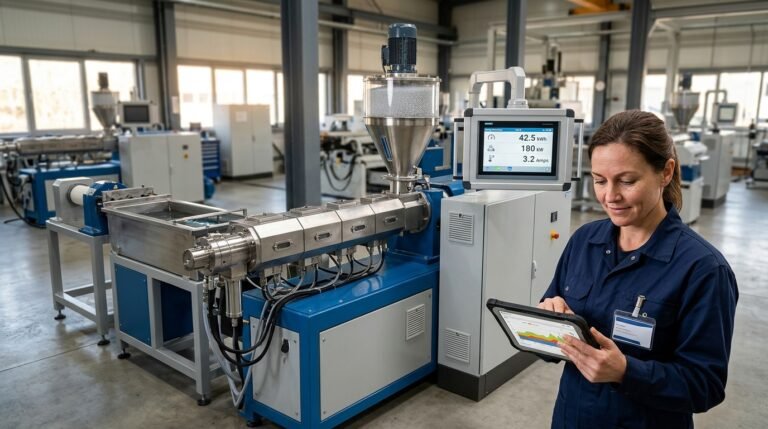
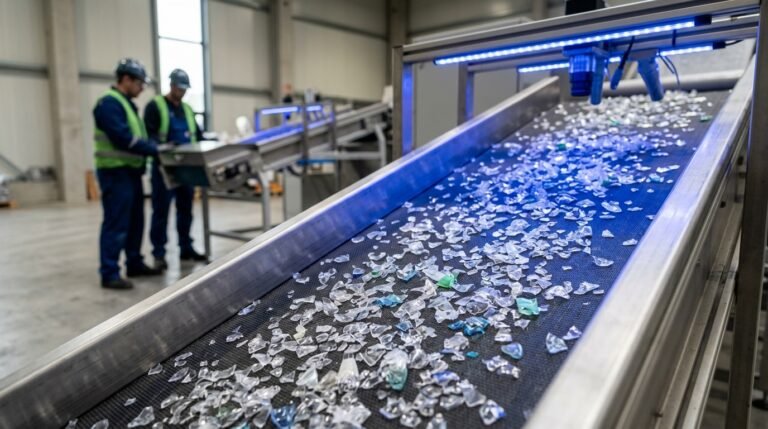
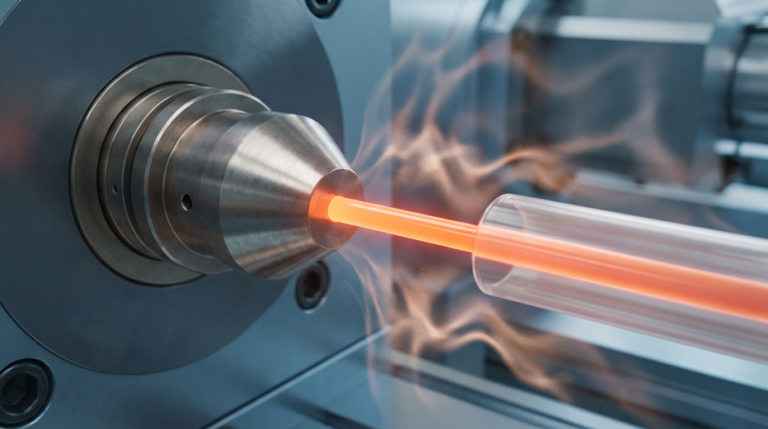
La máquina que ha comprado le reportará beneficios, pero también cambiará indirectamente el medio ambiente mundial y dará a los residuos plásticos una oportunidad de aprovechamiento.

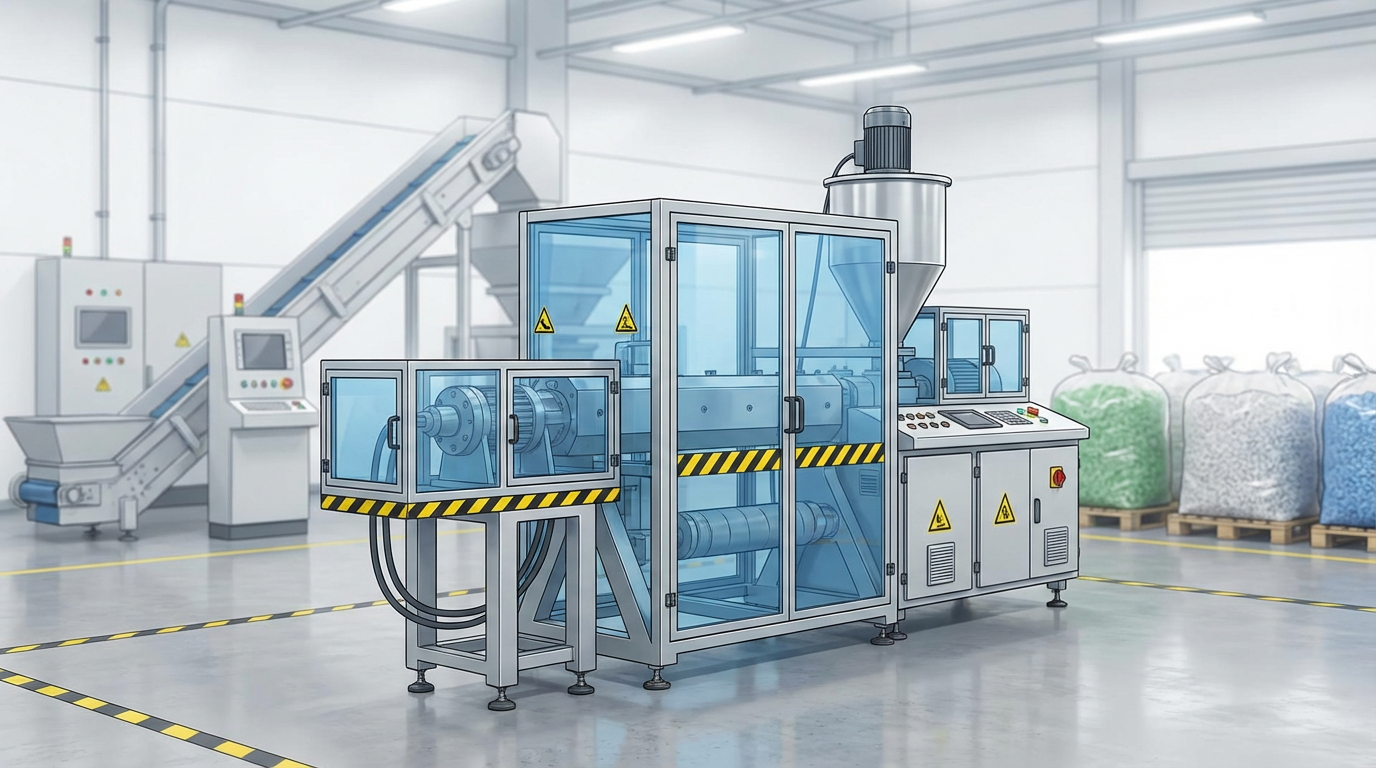
Cada año, más de 4.000 accidentes laborales En el sector de la fabricación de plásticos, los accidentes están directamente relacionados con el funcionamiento de las extrusoras, según datos actualizados de la OSHA. Las directrices de seguridad para las extrusoras de plástico constituyen un conjunto completo de protocolos, procedimientos y mejores prácticas diseñados para proteger a los operadores de quemaduras térmicas, enredos mecánicos, exposición a humos tóxicos y riesgos eléctricos durante las operaciones de extrusión. Ya sea que dirija una pequeña línea de reciclaje o una planta de producción a gran escala, comprender y aplicar estas directrices no es opcional: es la diferencia entre un turno productivo y un incidente catastrófico.
Las directrices de seguridad para las máquinas extrusoras de plástico constituyen un marco estructurado de normas, procedimientos operativos y controles técnicos diseñados específicamente para minimizar los riesgos durante el proceso de extrusión de plástico. Estas directrices abarcan desde los requisitos relativos al equipo de protección personal (EPP) y los procedimientos de bloqueo y etiquetado (LOTO) hasta los protocolos de parada de emergencia, las normas de ventilación y las certificaciones de capacitación de los operadores. En la práctica, constituyen la columna vertebral operativa que garantiza la seguridad de los trabajadores, el funcionamiento eficiente de los equipos y el cumplimiento de las normas reglamentarias por parte de las instalaciones.
Según nuestra experiencia trabajando con plantas de reciclaje en diversas regiones, hemos observado que las instalaciones con las tasas de incidentes más bajas no son necesariamente aquellas que cuentan con los equipos más costosos. Por el contrario, son aquellas en las que las normas de seguridad forman parte de las rutinas diarias, y no solo están colgadas en una pared. Un programa de seguridad bien implementado convierte las normas abstractas en hábitos innatos para todos los operarios que trabajan en la planta.
La importancia de las normas de seguridad para las extrusoras se ha acentuado en 2026 por varias razones de peso. En primer lugar, Normas actualizadas de la OSHA sobre gestión de la seguridad de los procesos (PSM) ahora incluyen disposiciones ampliadas para los equipos de procesamiento de plásticos, con sanciones más estrictas que pueden llegar a 1.000,156,259 por cada infracción deliberada. En segundo lugar, el uso cada vez mayor de materias primas recicladas —que a menudo contienen contaminantes y presentan propiedades de fluidez del material fundido variables— introduce una mayor imprevisibilidad en el proceso de extrusión. En tercer lugar, el impulso mundial hacia una fabricación sostenible implica que hay más plantas en funcionamiento Máquinas de extrusión de plástico para aplicaciones de reciclaje, a menudo con operarios que quizá no estén familiarizados con los riesgos específicos de la extrusión.
Conclusión principal: Las normas de seguridad para las máquinas extrusoras de plástico no se limitan al cumplimiento normativo. Protegen vidas humanas, evitan daños costosos en los equipos, reducen el riesgo de responsabilidad civil y garantizan la continuidad de la producción. Un solo incidente grave puede paralizar una línea de producción durante semanas y suponer un gasto de cientos de miles de dólares en multas, reparaciones y gastos legales.
La seguridad de las extrusoras está regulada por múltiples organismos normativos, y comprender sus requisitos, que en parte se solapan, es esencial para garantizar el pleno cumplimiento. A continuación se presenta un desglose de las normas clave:
| Organismo regulador / Norma | Área de interés | Requisitos clave para extrusoras |
|---|---|---|
| OSHA 29 CFR 1910 | Seguridad general en la industria | Protección de máquinas, LOTO, EPP, comunicación de riesgos |
| ANSI/SPI B151.1-2024 | Seguridad en la maquinaria para plásticos | Diseño específico de la protección de la extrusora, enclavamientos, paradas de emergencia |
| NFPA 652 | Polvo combustible | Análisis de riesgos relacionados con el polvo en el procesamiento de gránulos y escamas de plástico |
| ISO 14120:2023 | Protección de máquinas | Especificaciones de diseño de protecciones fijas y móviles |
| Directiva de la UE sobre máquinas 2006/42/CE | Cumplimiento de la marca CE | Evaluación de riesgos, componentes de seguridad, documentación |
En Página de seguridad de la OSHA para la industria del plástico ofrece documentos de orientación que se actualizan periódicamente y que todo responsable de instalaciones debería revisar al menos una vez al trimestre. En 2026, la OSHA ha puesto especial énfasis en la interacción entre los sistemas automatizados y los operadores humanos, una cuestión fundamental a medida que más líneas de extrusión incorporan sistemas de alimentación robótica y controles de proceso basados en inteligencia artificial.
Un programa integral de seguridad para las máquinas extrusoras de plástico en 2026 debe abordar siete pilares interrelacionados:
Cuando evaluamos la preparación en materia de seguridad de las instalaciones, analizamos cómo interactúan estos siete pilares. Una instalación puede cumplir a la perfección con los requisitos de EPP, pero tener procedimientos de LOTO deficientes, y esa única deficiencia puede ser el punto de fallo. El objetivo es lograr una cobertura integral, en la que cada pilar refuerce a los demás. Las instalaciones que invierten en sistemas integrales de máquinas de reciclaje A menudo se observa que la integración de la seguridad resulta más eficaz cuando se planifica durante la fase de selección del equipo, en lugar de incorporarse posteriormente.
Entender el alcance de estas directrices es fundamental. Pero para aplicarlas de manera eficaz, es necesario saber exactamente contra qué se está protegiendo. Esto nos lleva a los riesgos específicos que presentan las máquinas extrusoras de plástico en las operaciones modernas.
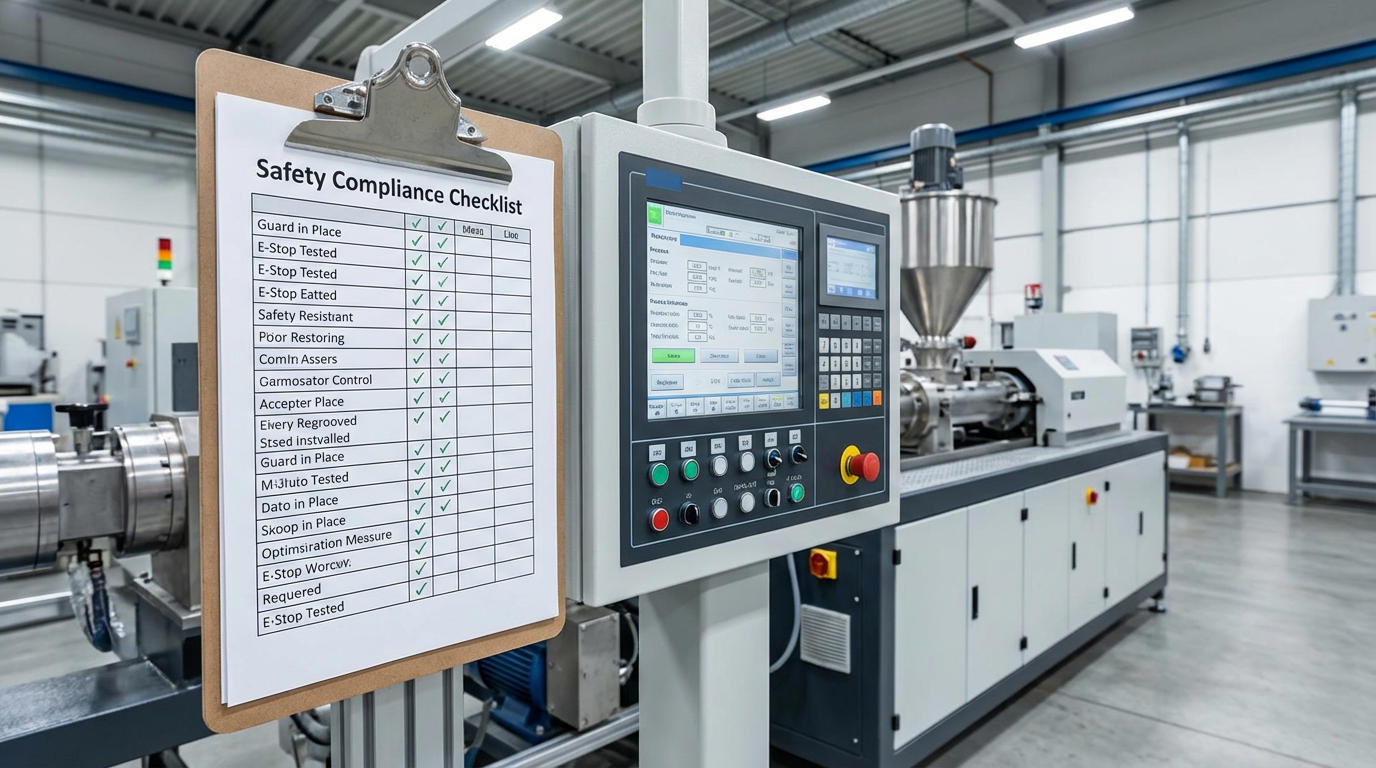
Las extrusoras de plástico son sistemas potentes y complejos que transforman el material polimérico, ya sea virgen o reciclado, en formas utilizables mediante calor, presión y fuerza mecánica. Cada una de estas fuerzas representa una categoría distinta de peligro. En 2026, la Oficina de Estadísticas Laborales (BLS) señala que el sector de la fabricación de plásticos y caucho sigue figurando entre las 15 industrias con mayor número de lesiones laborales no mortales, y que los incidentes relacionados con las extrusoras representan una parte significativa de los casos graves.
Lo que hace que los riesgos asociados a las extrusoras sean especialmente peligrosos es que muchos de ellos no son visibles de inmediato. El polímero fundido no brilla en rojo como el metal fundido. Los gases tóxicos que emana la resina sobrecalentada pueden ser incoloros. Un tornillo giratorio situado detrás de una protección parcialmente abierta puede atrapar una manga en una fracción de segundo. Para tomar conciencia efectiva de los riesgos, es necesario comprender no solo cuáles son los peligros, sino también cómo y cuándo se manifiestan durante las operaciones reales.
El tornillo sinfín giratorio que se encuentra dentro del cilindro de una extrusora es el corazón de la máquina, y uno de sus componentes más peligrosos. Las velocidades del tornillo sinfín en las extrusoras modernas de un solo tornillo sinfín utilizadas para aplicaciones de reciclaje suelen oscilar entre De 50 a 200 rpm, con niveles de par que pueden atrapar fácilmente ropa, guantes, dedos o incluso extremidades completas. El peligro se agrava en varios puntos concretos:
En la práctica, hemos observado que los incidentes de enredamiento mecánico se producen con mayor frecuencia durante tareas no rutinarias —como desatascar atascos, ajustar configuraciones o limpiar— y no durante la producción normal en condiciones estables. Por eso son tan importantes los procedimientos LOTO y las evaluaciones de riesgos específicas para cada tarea. A granuladora o peletizadora de plástico La conexión en la parte posterior añade zonas de riesgo mecánico adicionales que deben incluirse en la evaluación general de seguridad.
Las extrusoras de plástico modernas son máquinas que consumen mucha electricidad. Una extrusora de reciclaje típica de un solo tornillo funciona con Alimentación trifásica de 380-480 V, con bandas calefactoras en los barriles que consumen una corriente considerable en varias zonas. Los riesgos eléctricos incluyen:
Consejo de seguridad: Compruebe siempre que el sistema esté completamente apagado con un comprobador de tensión calibrado antes de realizar cualquier trabajo eléctrico en los sistemas de extrusión. Nunca se fíe únicamente de las luces indicadoras o de las pantallas del panel de control, ya que pueden fallar o mostrar lecturas erróneas.
Cuando los polímeros se calientan por encima de las temperaturas de procesamiento recomendadas, sufren una degradación térmica que libera gases peligrosos. Este riesgo es especialmente elevado en las operaciones de reciclaje, donde el material recibido puede contener una mezcla de polímeros, restos de tintas, adhesivos o contaminantes. Los riesgos específicos relacionados con los humos dependen del tipo de polímero:
| Polímero | Rango de temperatura de procesamiento | Productos de degradación | Riesgo para la salud |
|---|---|---|---|
| PVC | 160-200 °C | Cloruro de hidrógeno (HCl), dioxinas | Daño respiratorio, carcinógeno |
| ABS | 220-260 °C | Estireno, cianuro de hidrógeno (HCN) | Neurotóxico, irritación respiratoria |
| PTFE (teflón) | 327 °C | Perfluoroisobutileno (PFIB) | Fiebre por vapores de polímeros, edema pulmonar |
| PE/PP | 190-260 °C | Aldehídos, ácidos orgánicos | Irritación ocular y respiratoria |
| PET | 260-280 °C | Acetaldehído, formaldehído | Potencial carcinógeno, irritación |
En Instituto Nacional de Seguridad y Salud Ocupacional (NIOSH) recomienda que todas las operaciones de extrusión de plástico cuenten con ventilación local por extracción en los cabezales de extrusión y las zonas de alimentación, junto con un control de la calidad del aire para detectar contaminantes específicos en función de los polímeros que se estén procesando. En entornos de reciclaje, donde es habitual el uso de materia prima mezclada o contaminada, este control cobra aún mayor importancia.
La presión del material fundido dentro del cilindro de una extrusora puede alcanzar De 3.000 a 10.000 PSI dependiendo del polímero, el diseño del tornillo y la configuración de la matriz. Esto genera un riesgo grave de expulsión del material a alta presión —lo que a veces se denomina “retroceso” o “salpicadura”— en varias condiciones:
Este riesgo es especialmente relevante para las instalaciones que procesan materiales reciclados. Las escamas que llegan procedentes de trituradoras de plástico pueden conservar humedad superficial a pesar del lavado y el desecado, y la contaminación por resinas mixtas puede provocar un comportamiento impredecible de la masa fundida. Una preparación adecuada del material —que incluye un secado minucioso y la eliminación de contaminantes— es tanto una medida de seguridad como un paso de control de calidad.
Aunque no son tan dramáticos a primera vista como las quemaduras o los enredos, el ruido y los riesgos ergonómicos tienen importantes repercusiones a largo plazo para la salud. Las líneas de extrusión, especialmente aquellas que cuentan con peletizadoras, cortadoras y sistemas de transporte neumático en las etapas posteriores, generan habitualmente niveles de ruido de 85-100 dB — muy por encima del límite de exposición admisible de la OSHA, que es de 90 dB como promedio ponderado en el tiempo durante 8 horas. La exposición prolongada sin protección auditiva provoca una pérdida auditiva irreversible inducida por el ruido.
Los riesgos ergonómicos se derivan de tareas repetitivas como la alimentación manual de material, la limpieza de troqueles, el cambio de paquetes de tamices y la inspección de productos. Los operadores que realizan estas tareas durante turnos completos sin un diseño adecuado del puesto de trabajo, sin ayudas mecánicas ni sin programas de rotación corren un riesgo elevado de sufrir trastornos musculoesqueléticos que afectan a la espalda, los hombros, las muñecas y las manos.
Es fundamental comprender estos riesgos en detalle, pero la categoría de riesgos que provoca las lesiones más graves en las operaciones de extrusión merece un análisis específico. Los riesgos térmicos y de quemaduras siguen siendo la principal causa de lesiones graves relacionadas con las extrusoras en todo el mundo.
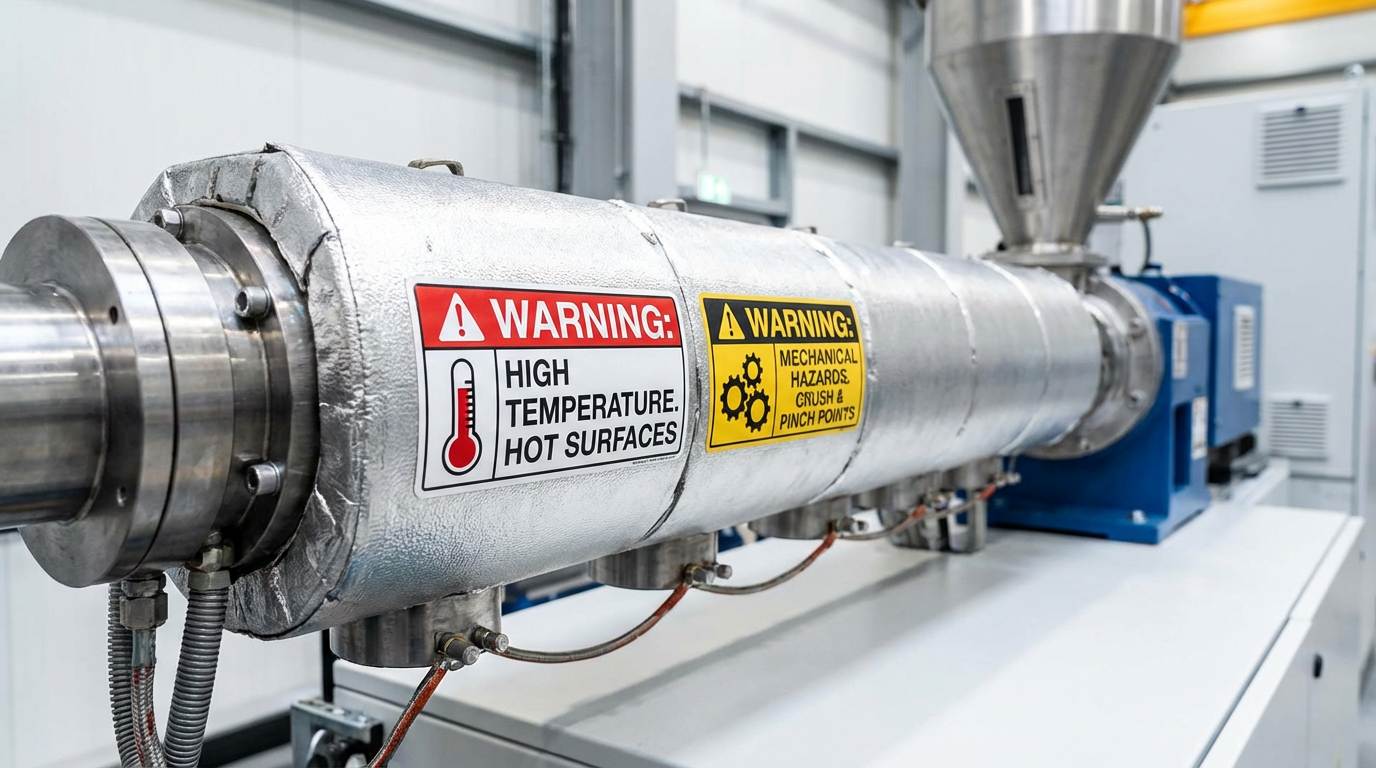
Las quemaduras térmicas son las la lesión grave más frecuente en las operaciones de extrusión de plástico. La combinación de temperaturas superficiales extremas, polímero fundido a 200-300 grados Celsius o más, y la proximidad física necesaria para realizar las tareas rutinarias crea condiciones en las que pueden producirse quemaduras graves en un instante de descuido. A lo largo de nuestros años de trabajo con plantas de reciclaje de plástico, hemos observado que las lesiones térmicas se deben, en su gran mayoría, a un pequeño número de situaciones recurrentes, todas ellas evitables con los protocolos y el equipo adecuados.
Para prevenir eficazmente las quemaduras, los operarios deben saber exactamente dónde se dan temperaturas peligrosas en la máquina. Las zonas de riesgo térmico en una extrusora de plástico típica incluyen:
Ciertas tareas operativas conllevan un riesgo de quemaduras considerablemente mayor. Es fundamental identificar estas situaciones y tomar las precauciones específicas para cada tarea:
Procedimientos de encendido y apagado se encuentran entre las fases más peligrosas. Durante el arranque, los operadores deben verificar que todas las zonas del cilindro hayan alcanzado la temperatura objetivo antes de poner en marcha el tornillo. Poner en marcha el tornillo con material frío puede provocar picos de presión que expulsen polímero caliente desde lugares inesperados. Durante la parada, el material fundido residual en el cilindro, la boquilla y el adaptador permanece a temperaturas peligrosas mucho tiempo después de que se hayan apagado los calentadores. Hemos visto a operadores suponer que una máquina está lo suficientemente fría como para tocarla a los 30 minutos de la parada; en realidad, un cilindro bien aislado puede retener temperaturas que causan quemaduras durante 2-4 horas una vez que se hayan desconectado los calentadores.
Cambios en los troqueles y sustitución de los paquetes de pantallas obligan a los operarios a trabajar muy cerca de los componentes más calientes de la máquina. El procedimiento estándar consiste en aflojar los pernos de un conjunto de troqueles que se encuentra a plena temperatura de funcionamiento y, a continuación, manipular el troquel, la placa de separación y el conjunto de tamices, todos ellos recubiertos de polímero caliente. Sin el equipo de protección personal (EPP) térmico adecuado y sin un procedimiento claro y bien ensayado, esta tarea resulta extremadamente peligrosa.
Eliminación de atascos de material y acumulaciones En la boca de alimentación o el orificio de ventilación, los operadores a veces se ven tentados a utilizar las manos o herramientas improvisadas para desatascar el material atascado. Si el atasco se libera de repente, el material caliente puede salir disparado hacia arriba o hacia afuera. Además, la zona alrededor de los orificios de ventilación en las extrusoras ventiladas (que se utilizan habitualmente en el reciclaje para eliminar la humedad y los compuestos volátiles) expone a los operadores al vapor y al polímero caliente que se escapan.
Advertencia importante: Las quemaduras por plástico fundido son especialmente peligrosas porque el material se adhiere a la piel. A diferencia de una superficie caliente, de la que puedes retirar la mano al instante, el polímero fundido se adhiere y sigue transmitiendo calor. Nunca intentes limpiar o arrancar el plástico fundido de la piel, ya que esto puede desgarrar el tejido. En su lugar, enfría inmediatamente la zona con agua corriente durante al menos 20 minutos y busca atención médica.
La forma más eficaz de prevenir las quemaduras térmicas es eliminar la posibilidad de contacto mediante controles técnicos. Entre ellos se incluyen:
Cuando las medidas de control técnico no pueden eliminar por completo la exposición al calor —por ejemplo, durante los cambios de troquel o las tareas de mantenimiento que sean necesarios—, el EPP adecuado se convierte en la última línea de defensa. El EPP térmico necesario para las operaciones con extrusoras incluye:
| Artículo de EPI | Especificación | Cuando sea necesario |
|---|---|---|
| Guantes resistentes al calor | Apto para contactos a más de 250 °C, con protección para el antebrazo | Cambios de matriz, cambios de pantalla, purga, cualquier contacto con el cilindro |
| Visiera protectora | Casco integral de policarbonato con clasificación térmica | Apertura de la matriz, limpieza de los orificios de ventilación, purga de arranque |
| Delantal térmico de manga larga | Tejido ignífugo que no se derrite | Todas las tareas que se realicen a menos de 1 metro del cilindro, la matriz o el producto extruido |
| Botas de seguridad | Punta de acero, suela resistente al calor, protección metatarsiana | Todo el tiempo en la planta de extrusión |
| Gafas de seguridad | Certificado según la norma ANSI Z87.1, resistente a las salpicaduras | Todo el tiempo en la planta de extrusión |
Un detalle fundamental que a menudo se pasa por alto: Los guantes de trabajo estándar no son guantes resistentes al calor. Los guantes de algodón o sintéticos pueden fundirse y adherirse a la piel o dar una falsa sensación de protección, lo que en realidad agrava las lesiones por quemaduras. Solo deben utilizarse guantes específicamente homologados para las temperaturas que se alcanzan en los trabajos de extrusión. Hemos comprobado que disponer de estaciones específicas para el EPP térmico justo al lado de cada extrusora —en lugar de en un almacén central— aumenta considerablemente los índices reales de cumplimiento.
Además de las medidas de control técnico y el equipo de protección personal, existen procedimientos operativos específicos que reducen el riesgo de quemaduras térmicas:
Comprender la proceso completo de extrusión de plástico ayuda a los operadores a prever dónde serán más intensos los riesgos térmicos en cada etapa, lo que les permite protegerse mejor.
A pesar de todas las medidas preventivas, las quemaduras pueden seguir produciéndose. Cada centro debe contar con un protocolo de respuesta ante emergencias claro y ensayado:
Los puestos de primeros auxilios con material específico para quemaduras —como botellas de agua esterilizadas, vendajes no adhesivos y gel para quemaduras— deben estar ubicados dentro de A 10 segundos a pie de cada extrusora de la planta. No se trata de una sugerencia, sino de una norma que ahorra material y reduce la gravedad de las consecuencias.
Los riesgos térmicos son graves, pero también se encuentran entre los riesgos más fáciles de prevenir en las operaciones de extrusión. La combinación de un aislamiento adecuado, el equipo de protección personal (EPP) apropiado, procedimientos rigurosos y una capacitación exhaustiva puede reducir los incidentes de quemaduras térmicas casi a cero. Las instalaciones que adoptan un enfoque sistemático de la seguridad térmica —considerándola un problema de ingeniería y no solo de comportamiento— logran sistemáticamente los mejores registros de seguridad.
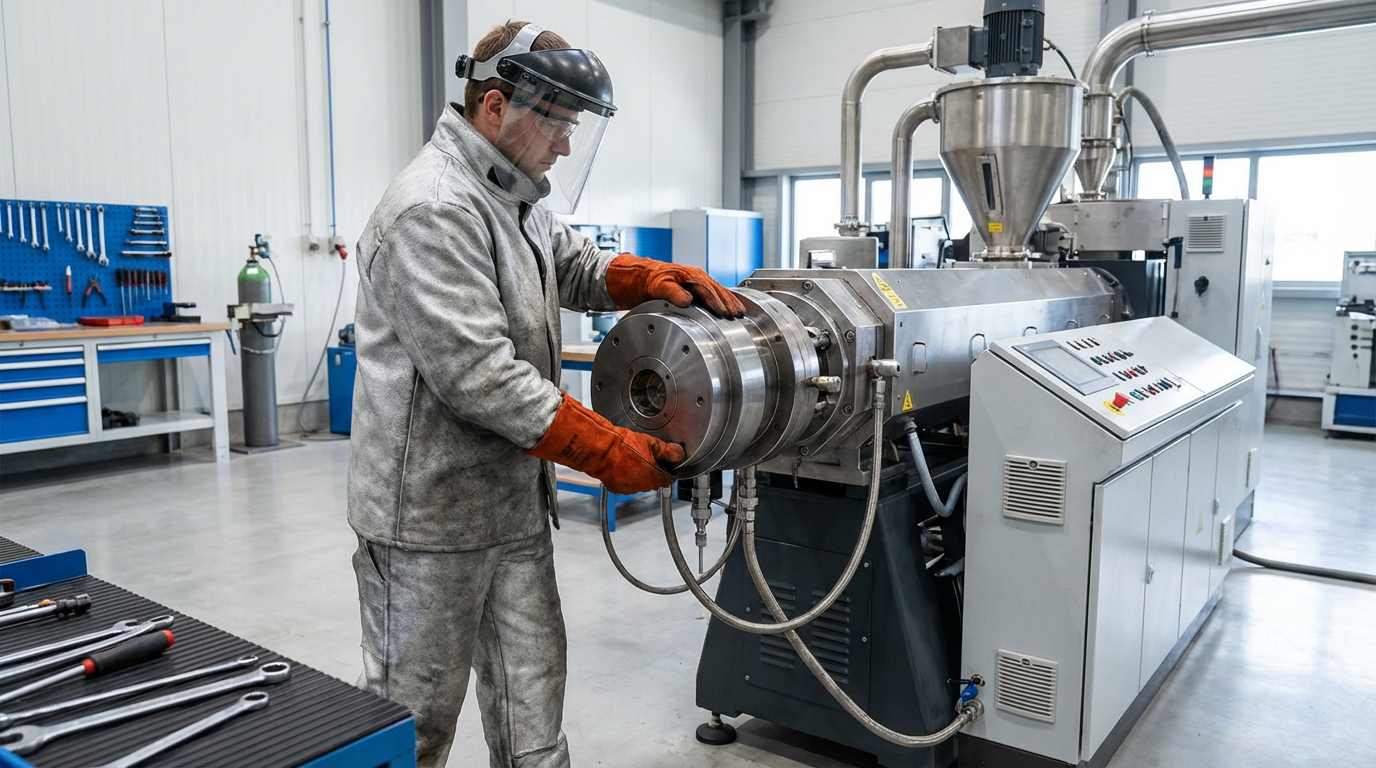
La zona de la matriz y el adaptador se considera generalmente la más peligrosa, ya que combina las temperaturas más altas a las que se puede llegar (hasta 350 °C), una elevada presión de fusión y la necesidad de una interacción frecuente por parte del operador durante los cambios de matriz y el purga. La zona de la garganta de alimentación también es extremadamente peligrosa debido a la proximidad del tornillo sinfín en movimiento. Ambas zonas requieren protocolos de seguridad estrictos y el uso de EPP adecuado en todo momento.
La OSHA recomienda impartir una capacitación inicial exhaustiva antes de que cualquier operador trabaje de forma independiente en una extrusora, seguida de formación de actualización anual como mínimo. Sin embargo, la mejor práctica en 2026 consiste en llevar a cabo sesiones informativas trimestrales sobre seguridad centradas en temas específicos (seguridad térmica, LOTO, respuesta ante emergencias) y ofrecer una nueva capacitación inmediata tras cualquier incidente, cuasi-accidente o cambio significativo en los procesos. La instalación de nuevos equipos siempre debe dar lugar a una capacitación complementaria.
Como mínimo, los operarios deben contar con gafas de seguridad (ANSI Z87.1), botas con puntera de acero y suelas resistentes al calor, protección auditiva (si el ruido supera los 85 dB) y ropa de manga larga que no sea sintética. Para tareas que impliquen estar cerca de superficies calientes o polímeros fundidos —como cambios de troqueles, purga o reemplazo de paquetes de tamices— se requieren guantes resistentes al calor con clasificación para más de 250 °C, un protector facial completo y un delantal o bata resistente al fuego.
Sí, considerablemente. La materia prima reciclada puede contener humedad, polímeros mixtos, contaminantes metálicos, residuos químicos y materia orgánica que generan riesgos adicionales, como explosiones de vapor provocadas por la humedad atrapada, la generación de humos tóxicos debido a la degradación de la mezcla de resinas y la obstrucción de los filtros, lo que provoca picos de presión. Una preparación minuciosa de los materiales —que incluye el lavado, el secado y la detección de metales— es esencial tanto para la calidad del producto como para la seguridad del operador.
El bloqueo y etiquetado (LOTO) es un procedimiento de seguridad que garantiza que todas las fuentes de energía (eléctrica, mecánica, térmica, neumática e hidráulica) se aíslen, se desconecten y se bloqueen físicamente antes de iniciar cualquier trabajo de mantenimiento o reparación. En el caso de las extrusoras, esto incluye desconectar la alimentación eléctrica, verificar que no haya tensión, liberar la presión del material fundido y dejar un tiempo de enfriamiento adecuado. El LOTO evita arranque inesperado de la máquina, que es una de las principales causas de lesiones mortales y graves en el sector del procesamiento de plásticos.
JianTai diseña sus equipos de extrusión para el reciclaje de plástico con características de seguridad integradas, entre las que se incluyen protecciones de seguridad con enclavamiento, botones de parada de emergencia en múltiples puestos de trabajo, camisas aislantes para el cilindro que brindan protección térmica, cambiadores automáticos de tamices para reducir la exposición manual al calor, y sistemas de control con enclavamientos de seguridad que impiden el funcionamiento del tornillo cuando las protecciones están abiertas. Sus equipos están diseñados para cumplir con las normas de seguridad de la OSHA y la CE, lo que refleja un compromiso tanto con la seguridad del operador como con la eficiencia de las operaciones de reciclaje.
La implementación de directrices sólidas de seguridad para las máquinas extrusoras de plástico no es un proyecto puntual, sino un compromiso continuo. Desde comprender el marco normativo e identificar todas las zonas de riesgo en su equipo, hasta invertir en controles técnicos adecuados, equipo de protección personal (EPP) y capacitación de los operadores, cada nivel de protección contribuye a crear un lugar de trabajo más seguro. Las instalaciones que alcancen los mejores registros de seguridad en 2026 serán aquellas que consideren la seguridad como algo inseparable de la producción —no como una prioridad en competencia, sino como la base que hace posible una producción constante y rentable. Comience hoy mismo con una evaluación integral de riesgos de su línea de extrusión, aborde las deficiencias que encuentre y construya una cultura en la que cada operador se sienta capacitado para detener la línea si algo no está bien.