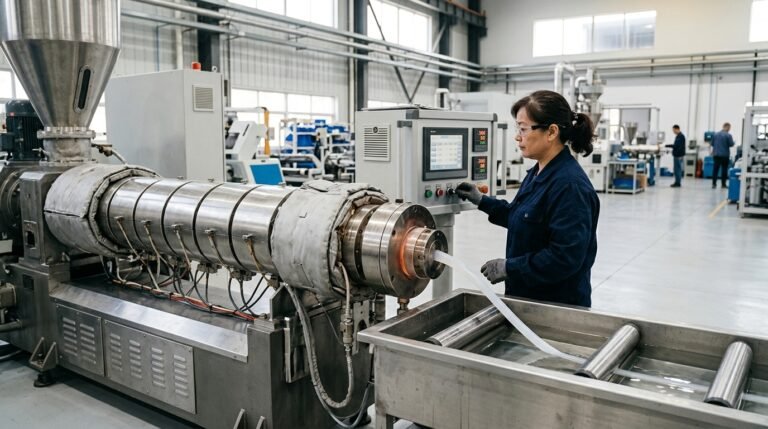
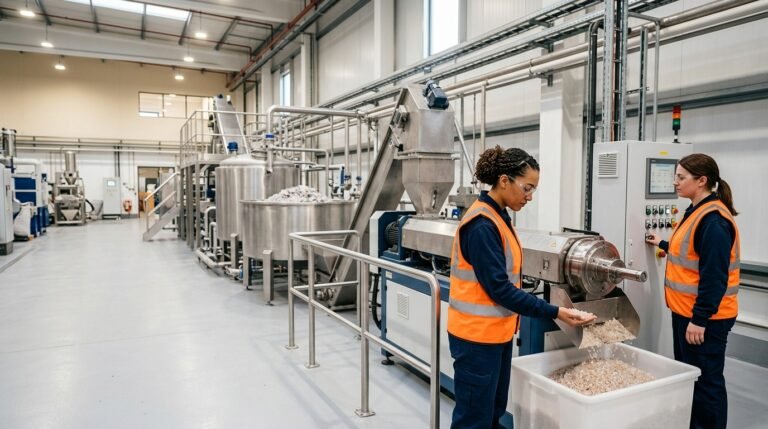
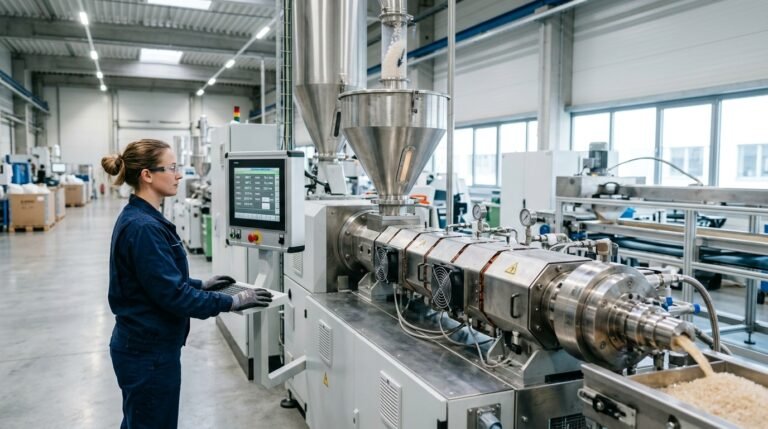
Внесите некоторые изменения в окружающую среду
Купленная вами машина не только принесет вам прибыль, но и косвенно изменит окружающую среду и даст отходам пластика шанс быть использованными.

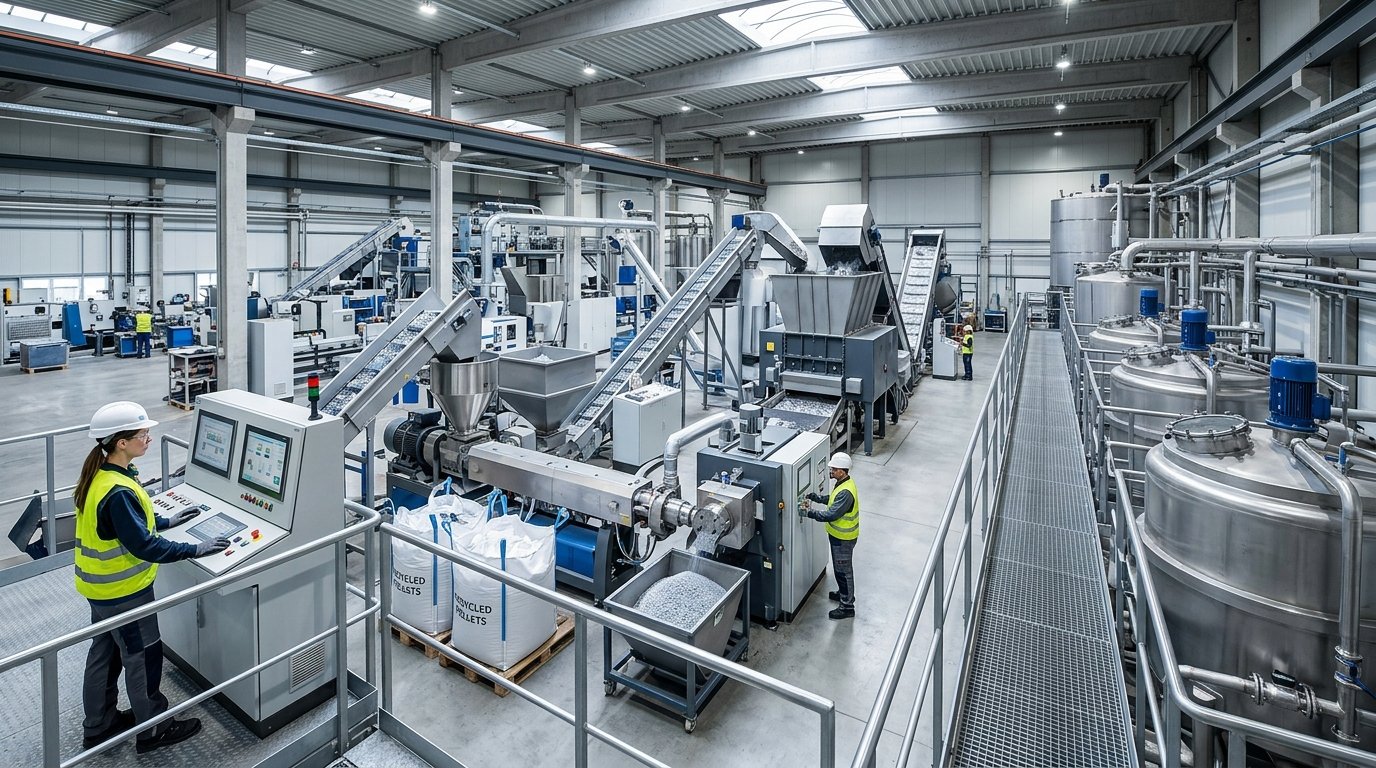
Мировой рынок оборудования для переработки пластика достиг $387,6 млн в 2023 году, а прогнозы на 2023 год Grand View Research put it on track to nearly double by 2030. That growth is driven by tightening regulations, rising resin costs, and brands scrambling to meet recycled-content mandates—all of which funnel demand straight to equipment suppliers. Choosing the right машина для переработки пластика manufacturer determines whether your operation runs at 95% uptime or bleeds money through constant breakdowns, so this guide breaks down exactly what separates reliable industrial suppliers from the ones that look good only in a sales brochure.
Не каждый поставщик заслуживает вашего короткого списка. Промежуток между надежным производитель машин для переработки пластика а посредственная часто проявляется через несколько месяцев после установки - в виде простоев, нестабильного качества пеллет или звонков в сервисную службу, которые остаются без ответа. Знание того, что отличает лучших от остальных, может сэкономить вам шестизначную сумму и годы разочарований.
Производственные мощности - это первый фильтр. Лучшие производители располагают мощностями, позволяющими создавать целые линии по переработке - измельчители, мойки, экструдеры, грануляторы - под одной крышей. Такая вертикальная интеграция имеет значение, потому что она означает более жесткий контроль качества и более быстрые сроки выполнения заказа. Поставщик, собирающий компоненты сторонних производителей на складе, принципиально отличается от поставщика, обрабатывающего критически важные детали на собственном производстве.
Инженерный опыт лежит глубже, чем технические характеристики. Лучшие поставщики имеют в своем штате команды, которые могут проанализировать конкретный поток отходов - будь то бутылки из ПНД после переработки, сельскохозяйственная пленка ПВД или смешанный промышленный лом ПП/ПЭ - и разработать технологическую линию, соответствующую вашим целям по производительности. Такие бренды, как Машина JianTai построили свою репутацию на подобном проектировании с учетом специфики применения, объединив десятилетия полевых данных с современными технологиями экструзии. Если вам нужна более широкая основа для оценки производителей, то это руководство по выбору производителя оборудования для переработки пластмасс подробно описывает этот процесс.
Глобальный охват свидетельствует об операционной зрелости. Производитель, экспортирующий продукцию в 40 с лишним стран, ориентируется на различные стандарты напряжения, климатические условия и нормативную базу. Согласно Отчет Grand View Research о рынке вторичной переработки пластмасс, По прогнозам, к 2030 году мировой рынок достигнет $50,36 миллиарда, и поставщики, которые будут расти вместе с этим ростом, инвестируют в многоязычную техническую поддержку, региональные склады запасных частей и команды по вводу оборудования в эксплуатацию на месте. Репутация отрасли, в конечном счете, зарабатывается благодаря машинам, которые работают 7 000+ часов в год без серьезных сбоев.
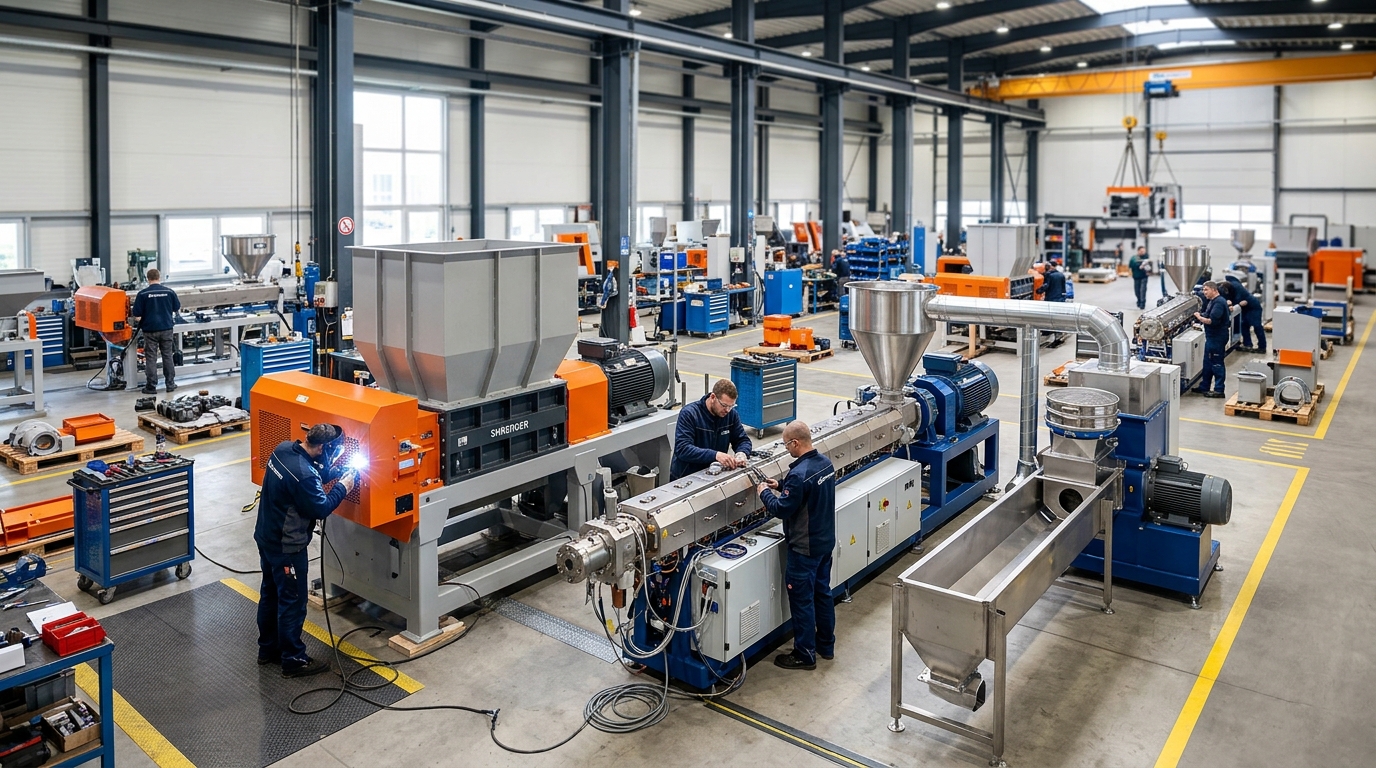
Прежде чем обращаться к производителю оборудования для переработки пластика, уточните, что именно делает каждая категория машин. Линия по переработке - это не одно устройство, а целая последовательность специализированного оборудования, и покупка неправильной конфигурации быстро приведет к потере капитала.
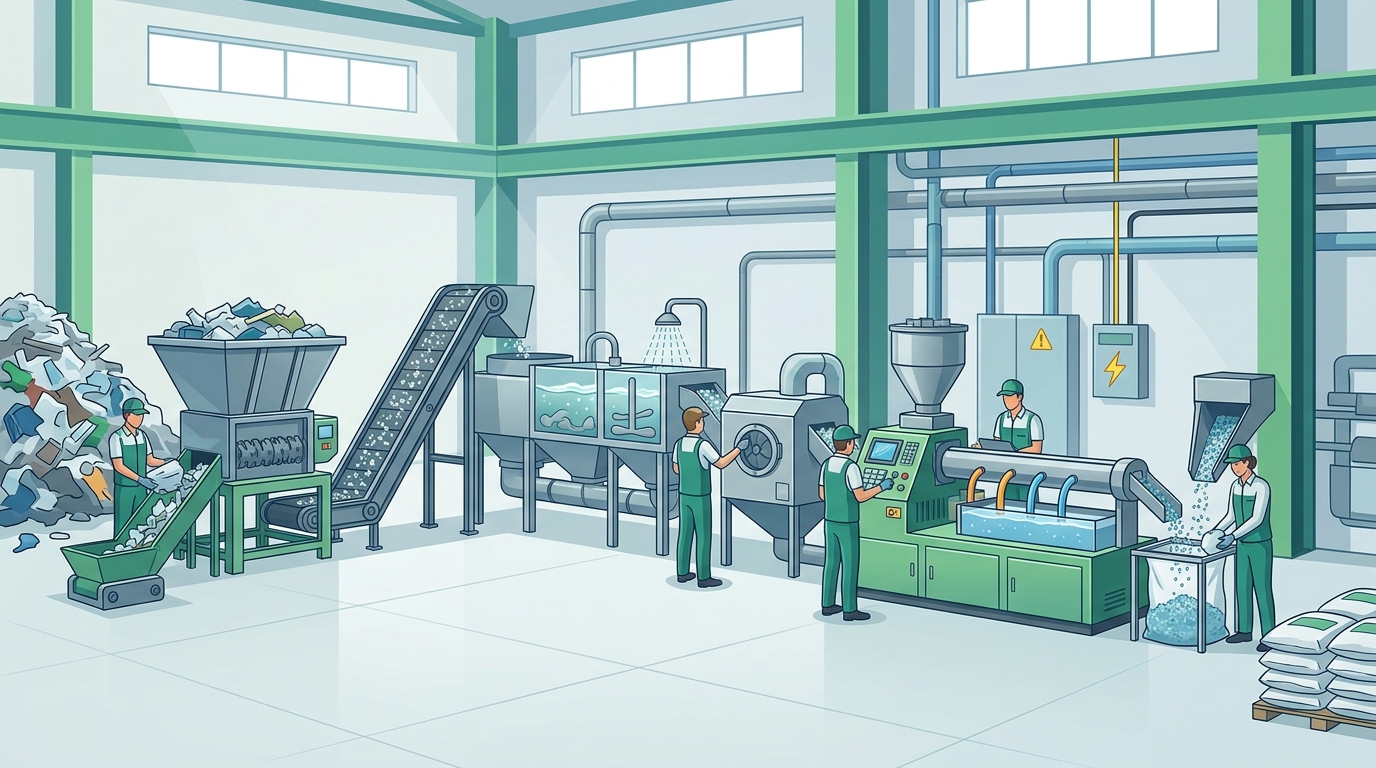
Шредеры сидят в первых рядах. Они разбивают громоздкие предметы - бочки, бамперы, тюки с пленкой - на грубые куски размером 20-50 мм. Одновальные шредеры хорошо работают с легкими материалами, такими как пленка LDPE, в то время как двухвальные модели справляются с жестким HDPE и смешанным послепромышленным ломом с большим крутящим моментом.
Грануляторы измельчите эти куски еще больше, обычно до 6-12-миллиметровых хлопьев. Думайте о них как о шаге точности после грубого измельчения. Стиральные линии После этого удаляются этикетки, клей, грязь и остаточные пищевые загрязнения с помощью горячих моечных ванн, фрикционных моек и сепарации с поплавковой раковиной. Уровни загрязнения ниже 50 ppm достижимы при использовании хорошо спроектированных систем - этот показатель имеет значение, если вы продаете хлопья покупателям пленочного сорта.
Системы гранулирования и экструзионные машины превращают чистые хлопья в однородные гранулы, готовые для литья под давлением или производства выдувных пленок. Ленточные грануляторы подходят для жестких пластиков; водокольцевые и подводные высекатели более эффективно справляются с более мягкими полимерами, такими как ПП и LLDPE. Более подробно о том, как экструзия вписывается в полный рабочий процесс, читайте в этой статье полное руководство по настройке экструзионной линии для переработки отходов.
Поставщики, такие как JianTai Machine, конфигурируют эти машины в линии "под ключ", адаптированные к конкретным потокам отходов - будь то бутылки из ПЭТ после потребления со скоростью 500 кг/час или сельскохозяйственная пленка со скоростью 1 000 кг/час. Согласно Grand View Research, По прогнозам, мировой рынок переработки пластика к 2030 году достигнет $50,36 миллиарда, а это значит, что правильный выбор оборудования уже сейчас напрямую влияет на вашу конкурентоспособность в быстро развивающейся отрасли.
На мировом рынке за ваше внимание борются десятки поставщиков, но лишь немногие из них неизменно демонстрируют заявленную производительность, качество сборки и поддержку после установки. Вот откровенный взгляд на несколько имен, которые постоянно всплывают в разговорах покупателей и на выставочных площадках.
Машина JianTai выделяется как производитель оборудования для переработки пластмасс, специализирующийся на линиях гранулирования и экструзии "под ключ". Компания JianTai, расположенная в китайской провинции Чжэцзян, специализируется на системах мойки и гранулирования полипропиленовой/полиэтиленовой пленки производительностью от 200 кг/ч до более чем 1 000 кг/ч. Их сильной стороной является полная интеграция линии - от измельчения через фильтрацию расплава до окончательного измельчения гранул, - что уменьшает головную боль, связанную с поиском компонентов у нескольких поставщиков. Они также экспортируют продукцию в Юго-Восточную Азию, на Ближний Восток и в некоторые регионы Африки, предлагая в качестве части пакета услуг ввод в эксплуатацию на месте.
Эрема (Австрия) доминирует в сегменте высокого класса, особенно для переработки отходов после потребления, где уровень загрязнения очень высок. Их серия INTAREMA широко упоминается в Ассоциация переработчиков пластмасс тематические исследования. Ожидайте премиальных цен - часто от 3× до 5× от стоимости сопоставимой китайской линии. Старлингер, также австрийская, уделяет большое внимание переработке тканых полипропиленовых мешков. Немецкие производители, такие как Гербольд Мекесхайм специализируются на оборудовании для промывки и измельчения, но, как правило, не предлагают полные линии "под ключ".
Более подробное сравнение поставщиков по определенным критериям можно найти здесь разбивка ведущих производителей оборудования для переработки пластмасс. Честная реальность: Европейские бренды лидируют по уровню автоматизации, в то время как китайские производители, такие как JianTai, активно конкурируют по стоимости, скорости настройки и общей стоимости проекта. В ваш оптимальный шорт-лист, вероятно, войдет как минимум один представитель каждого региона.
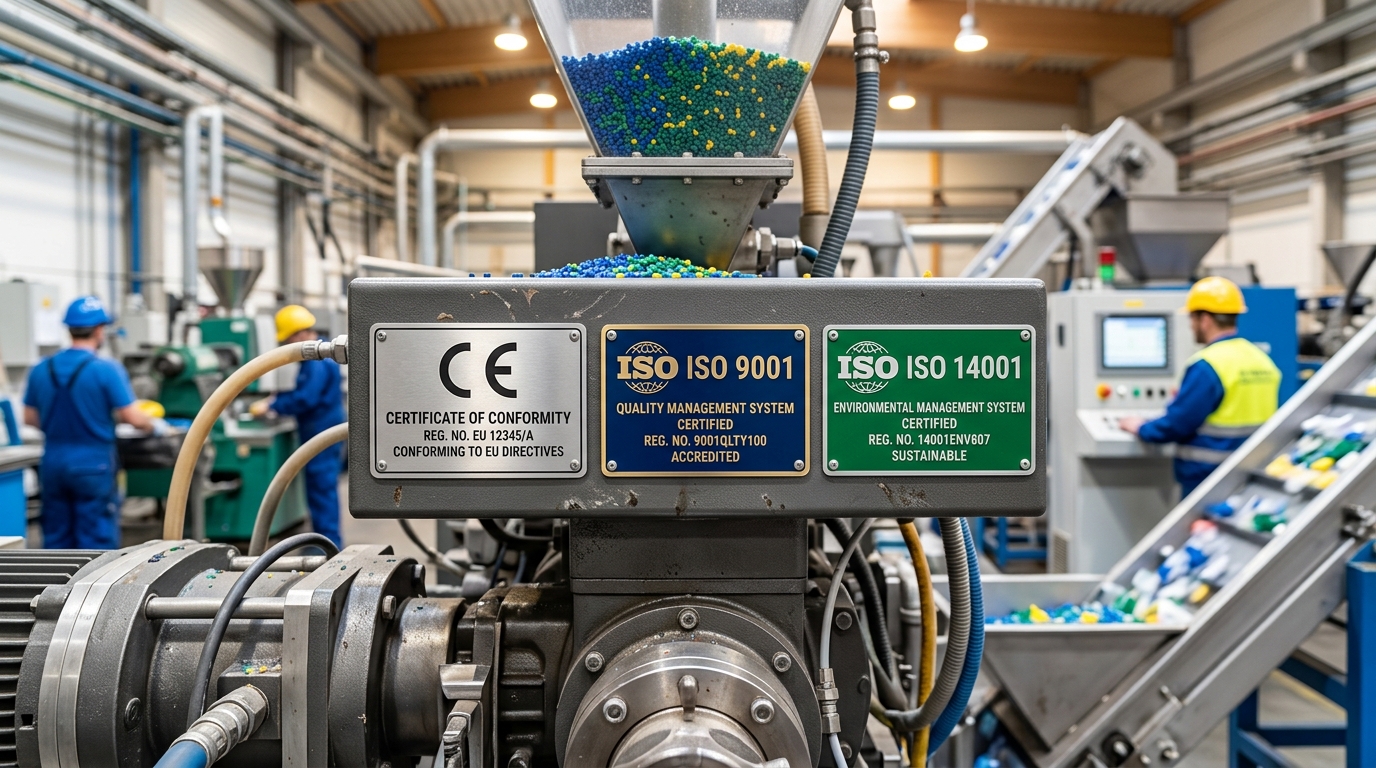
Сертификаты - это не просто логотипы на брошюре. Это доказательство третьей стороны о том, что производитель оборудования для переработки пластмасс вложил реальные деньги и усилия в создание систем, которые защищают вас - покупателя - от некачественного оборудования. Когда вы тратите от $50,000 до $500,000+ на капитальное оборудование, отсутствие сертификата может означать конфискацию на таможне, ответственность на рабочем месте или аннулирование страхового покрытия.
Маркировка CE не является обязательным для любого оборудования, поступающего на европейский рынок, и подтверждает соответствие директивам ЕС по охране здоровья, безопасности и окружающей среды. ISO 9001 охватывает системы управления качеством - это говорит о том, что производитель следует документированным, повторяющимся производственным процессам, а не делает все на скорую руку. ISO 14001 В ней рассматривается экологический менеджмент, что важно, если вашему предприятию необходимо продемонстрировать регуляторам или клиентам свои достижения в области устойчивого развития. Отчеты инспекции SGS добавьте еще один уровень: независимую проверку материалов, качества сварки и электробезопасности перед отправкой машины.
Такие производители, как JianTai Machine, имеют несколько сертификатов одновременно, что свидетельствует о зрелости организации. Один сертификат получить легко. Поддерживать три или четыре сертификата в ходе ежегодных аудитов? Для этого требуется настоящая инфраструктура.
Не верьте поставщику на слово. Перепроверьте сертификаты ISO на Официальная база данных сертификации ISO, и запросите фактический номер сертификата, а не скриншот. В случае маркировки CE попросите предоставить документ о декларации соответствия и название нотифицированного органа. Если поставщик колеблется или отмалчивается, это ваш ответ.
Чтобы получить более подробную информацию о том, что отличает надежных поставщиков от остальных, ознакомьтесь с нашим руководством Лучшие производители оборудования для переработки пластика и как выбрать одного из них. Правильная проверка сертификатов занимает около двух часов - пропуск этого процесса может стоить вам многих лет головной боли.
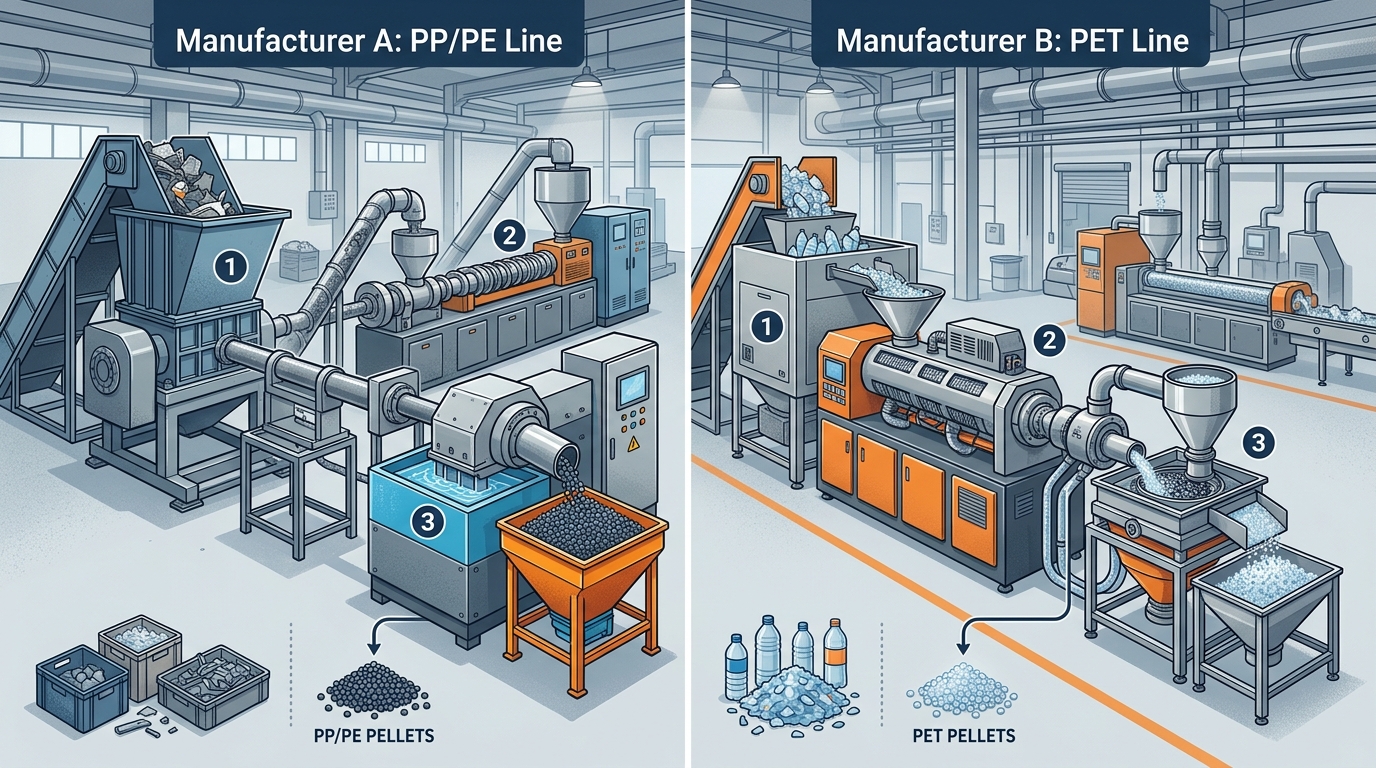
Обычная линия переработки не подойдет. ПЭТ-бутылки при мойке, сушке или гранулировании ведут себя совсем не так, как сельскохозяйственная пленка из ПЭВД - один только индекс текучести расплава отличается в 10 и более раз. Именно поэтому любая серьезная производитель машин для переработки пластика инвестирует значительные средства в гибкость проектирования, разрабатывая модульные системы, которые адаптируются к точному типу смолы, уровню загрязнения и спецификации конечного продукта, которые необходимы покупателю.
Рассмотрим переработку ПЭТ-бутылок в бутылки. Линия требует горячей каустической мойки при 85°C, фрикционной мойки, способной удалять клей для этикеток, и стадии восстановления IV (внутренней вязкости), чтобы соответствовать стандартам пищевой продукции, установленным такими организациями, как Европейское управление по безопасности пищевых продуктов. Сравните с постиндустриальной линией по производству полипропиленовых пленок, где приоритет отдается высокопроизводительным экструдерам для сушки и дегазации с содержанием влаги выше 15%. Оборудование одной и той же категории - совершенно разные технологии.
Например, компания JianTai Machine предлагает конфигурируемые системы промывки и гранулирования, в которых геометрия шнеков, температурные зоны бочек и размеры ячеек сит для смены сит подбираются в соответствии с целевым полимером. Их команда R&D тестирует образцы сырья клиента перед окончательной разработкой проекта, что избавляет от множества дорогостоящих догадок во время ввода в эксплуатацию. Для покупателей, перерабатывающих смешанные пластмассы, в схему линии могут быть интегрированы сепарационные резервуары с плавающей раковиной и многоступенчатая сортировка по плотности.
Настоящее отличие? Постоянство производительности. Хорошо настроенная линия мойки бутылок из ПЭВП может поддерживать чистоту хлопьев 97%+ на уровне 1500 кг/час, в то время как плохо подобранная система падает ниже 90% в момент всплеска загрязнения. Если вы оцениваете возможности для применения в производстве пленок, обратите внимание на следующее руководство по комплексному оснащению экструзионных линий для переработки отходов рассказывает о том, как должен выглядеть каждый этап.
Машина хороша лишь настолько, насколько хороша ее поддержка. Время простоя стоит реальных денег - иногда от $500 до $2 000 в час на высокопроизводительной линии переработки, поэтому скорость и качество послепродажного обслуживания могут сделать или прервать ваши инвестиции. Прежде чем подписывать контракт с производителем оборудования для переработки пластика, изучите его сервисную инфраструктуру.
Доступность запасных частей имеет большее значение, чем думает большинство покупателей. Поинтересуйтесь, хранит ли поставщик критически важные быстроизнашивающиеся компоненты - винтовые элементы, сетки, лопасти, подшипники - на региональных складах или поставляет их только с одного завода. 6-недельное ожидание муфты редуктора может застопорить всю работу. Такие производители, как JianTai Machine, поддерживают специальные запасы деталей и могут отгрузить обычную замену в течение 48 часов, что значительно сокращает незапланированные простои.
Удаленная диагностика стала базовым требованием. Системы, подключенные к ПЛК и позволяющие инженерам устранять неполадки через безопасный удаленный доступ, могут решить 60-70% проблем без выезда на место, согласно данным Ассоциация индустрии пластмасс. Установка на месте, ввод в эксплуатацию и обучение оператора также должны быть включены в стоимость, а не предлагаться в качестве дорогостоящего дополнительного оборудования после продажи.
Не верьте продавцам на слово. Запросите рекомендации у существующих клиентов, которые эксплуатируют оборудование не менее 18 месяцев - именно тогда проявляется реальное качество обслуживания. Более подробная информация о комплексной оценке производителей, это руководство по выбору производителя оборудования для переработки пластмасс охватывает дополнительные критерии, которые стоит рассмотреть наряду с обязательствами по оказанию услуг.
Расплывчатый запрос на поставку приведет к расплывчатому предложению. Начните с документирования точного исходного материала - типа смолы, уровня загрязнения, формы хлопьев или кип - и целевой производительности в кг/час. Укажите напряжение, частоту, доступную площадь и необходимость вспомогательного оборудования, такого как конвейеры или водоподготовка. Чем больше деталей вы укажете, тем сложнее любому производителю оборудования для переработки пластика набить цену ненужными дополнительными деталями.
Котировки редко бывают одинаковыми. Один поставщик включает установку в пакет услуг, другой указывает ее отдельно. Создайте электронную таблицу, в которой каждое предложение будет разбито на одинаковые статьи: базовая стоимость оборудования, фрахт (FOB и CIF), стоимость установки и ввода в эксплуатацию, обучение, комплекты запасных частей и объем гарантии. Такой подход позволяет быстро выявить скрытые недостатки. Предложение, которое выглядит на 15% дешевле, часто меняется, как только вы добавляете доставку из удаленного порта и пусконаладочные работы стоимостью $4 000.
Цена - это одна из переменных. Условия оплаты имеют большее значение для движения денежных средств - подталкивайте к 30/70 или даже 30/30/40 вехам, связанным с проверкой производства, отгрузкой и приемкой в эксплуатацию. Спросите о расширенной гарантии на критически важные компоненты, такие как винтовые бочки. Такие поставщики, как Машина JianTai Часто в комплект поставки входит обучение операторов и удаленная диагностика ПЛК, что позволяет сэкономить тысячи только за первый год.
Некоторые предупреждающие знаки малозаметны. Другие кричат “уходи”. Знание разницы может спасти вас от шестизначной суммы и месяцев разочарований. Вот наиболее распространенные "красные флажки", с которыми сталкиваются покупатели, и что каждый из них на самом деле сигнализирует о поставщике, стоящем за ним.
Надежный производитель оборудования для переработки пластмасс предоставляет подробные технические характеристики: мощность двигателя в кВт, производительность в кг/час для конкретных типов смолы, соотношение L/D шнека, размеры ячеек сита и диапазон диаметров гранул. Если поставщик отвечает на ваши технические вопросы словами “это зависит” или “мы обсудим это позже”, это проблема. Легальные производители, такие как Машина JianTai публикуют четкие данные о производительности, поскольку тестировали свое оборудование в реальных производственных условиях.
Отказ от экскурсии по заводу - виртуальной или личной - это повод для отказа. Обычно это означает, что “производитель” на самом деле является торговой компанией, перепродающей чужое оборудование. Не меньшее беспокойство вызывает поставщик, который не может предоставить 3-5 референтных клиентов, работающих с аналогичными потоками материалов. Попросите контакты напрямую. Если они уклоняются, двигайтесь дальше.
Полная линия мойки и гранулирования пленки ПП/ПЭ обычно стоит $80,000-$250,000 в зависимости от производительности и уровня автоматизации. Если цена оказывается на 40% ниже, чем у всех конкурентов, значит, чего-то не хватает - более дешевых марок стали, заниженных двигателей, отсутствия ПЛК управления или отсутствия послепродажной поддержки. Согласно Организация Объединенных Наций по промышленному развитию, Неподходящее оборудование - одна из главных причин, по которой предприятия по переработке отходов в развивающихся странах терпят крах в течение 18 месяцев.
Обращайте внимание на время ответа на этапе продаж. Медленные ответы, непоследовательные ответы от разных контактов или сроки доставки, которые меняются с каждым электронным письмом - эти показатели не улучшаются после перевода платежа. Они становятся еще хуже. Надежный поставщик назначает специального менеджера проекта и предоставляет письменный график производства с контрольными точками.
Доверяйте своей интуиции, но проверяйте документально. Каждый легальный производитель оборудования для переработки пластика приветствует тщательную проверку, потому что прозрачность - это то, как они завоевывают долгосрочных клиентов, а не просто разовые заказы.
Стандартные модели обычно поставляются в течение 30-45 дней. Линии с индивидуальной конфигурацией - например, система мойки-гранулирования, созданная для загрязненной пленки после потребления, - могут занять 60-90 дней. Поставщики, такие как JianTai Machine, часто предоставляют график производства на этапе составления коммерческого предложения, чтобы вы точно знали, когда нужно подготовить свое производство.
Большинство производителей принимают единичные заказы на отдельные машины, такие как грануляторы или шредеры. Полные линии "под ключ" оцениваются по стоимости проекта. Некоторые заводы устанавливают минимальную сумму заказа около $15 000-$20 000 для экспортных поставок, в основном для того, чтобы оправдать логистические расходы.
Многие производители оборудования для переработки пластика предлагают поэтапные условия оплаты: обычно 30% депозит, 60% перед отгрузкой и 10% после ввода в эксплуатацию. Некоторые из них также работают со сторонними платформами торгового финансирования или принимают аккредитивы. Сайт Международная финансовая корпорация имеет программы поддержки закупок экологичного оборудования на развивающихся рынках - стоит узнать, подходите ли вы под эти программы.
Сроки окупаемости варьируются в широких пределах. Линия гранулирования средней мощности, перерабатывающая 500 кг/час лома ПЭНД, может выйти на окупаемость через 12-18 месяцев, если затраты на сырье остаются низкими. Более высокодоходные виды продукции, такие как хлопья пищевого rPET, приближают этот срок к 8-10 месяцам. Более подробно о том, как процесс переработки влияет на рентабельность, читайте в статье что такое переработка пластика и как она работает на самом деле.
Хорошо обслуживаемое оборудование от надежных поставщиков работает 15-20 лет. Шнеки и бочки необходимо заменять каждые 3-5 лет в зависимости от содержания абразива в сырье. Ножи на шредерах изнашиваются быстрее - при интенсивной эксплуатации предусмотрите замену каждые 6-12 месяцев.
Безусловно. Авторитетные производители поощряют это. Запланируйте посещение во время реального производства, чтобы увидеть, как машины работают под нагрузкой, а не просто стоят на полу выставочного зала. Большинство поставщиков организуют встречу в аэропорту и переводчиков на месте, если это необходимо.
Выбор производителя оборудования для переработки пластика сводится к пяти неоспоримым критериям: проверенный инженерный потенциал, адаптация к конкретным материалам, прозрачные цены, оперативное послепродажное обслуживание и подтвержденные сертификаты. Упустите хотя бы один из них, и вы станете жертвой шести- или семизначного капитала. В предыдущих главах мы подробно рассмотрели каждый фактор, а теперь речь пойдет о применении их в качестве структурированного фильтра.
Вот практическая схема. Оцените каждого поставщика по шкале от 1 до 5 баллов по следующим параметрам: техническое соответствие вашим целевым типам смол, общая стоимость владения (а не только цена наклейки), наличие запасных частей в течение 48 часов, наличие референтных клиентов, с которыми вы можете реально связаться, и готовность провести экскурсию по заводу. Любой поставщик, набравший менее 3 баллов по более чем одному параметру, должен быть исключен. Это не произвольный подход - он отражает методологию оценки, рекомендованную ЮНИДО для закупок промышленного оборудования на развивающихся и средних рынках.
Не торопитесь с принятием решения. Запросите пробные испытания на реальном сырье. Попросите предоставить подробный график установки с оговорками на случай задержек. Уточните, входит ли в стоимость обучение оператора или оплачивается отдельно. Эти детали отличают настоящего партнера от поставщика коробок. Чтобы получить более подробную информацию о том, что должно быть приоритетным при поиске, ознакомьтесь со следующим материалом руководство по выбору правильного производителя оборудования для переработки пластмасс.
JianTai Machine - один из поставщиков, которого стоит включить в свой список. Они предлагают посещение заводов, конфигурации линий для конкретных материалов и специализированную техническую поддержку после установки. Свяжитесь с ними напрямую - запросите консультацию, пришлите спецификации сырья и запланируйте посещение их производственного цеха. Одно посещение расскажет вам больше, чем любой каталог.