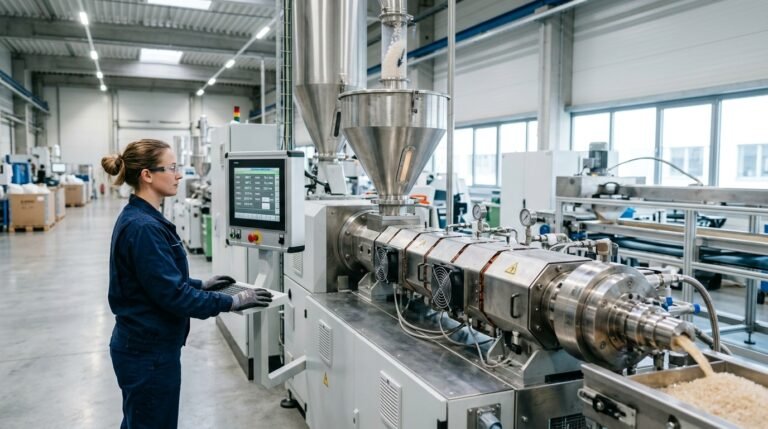
Apportare alcune modifiche all'ambiente mondiale
La macchina che avete acquistato vi porterà profitti, ma cambierà anche indirettamente l'ambiente mondiale e darà la possibilità di utilizzare i rifiuti plastici.

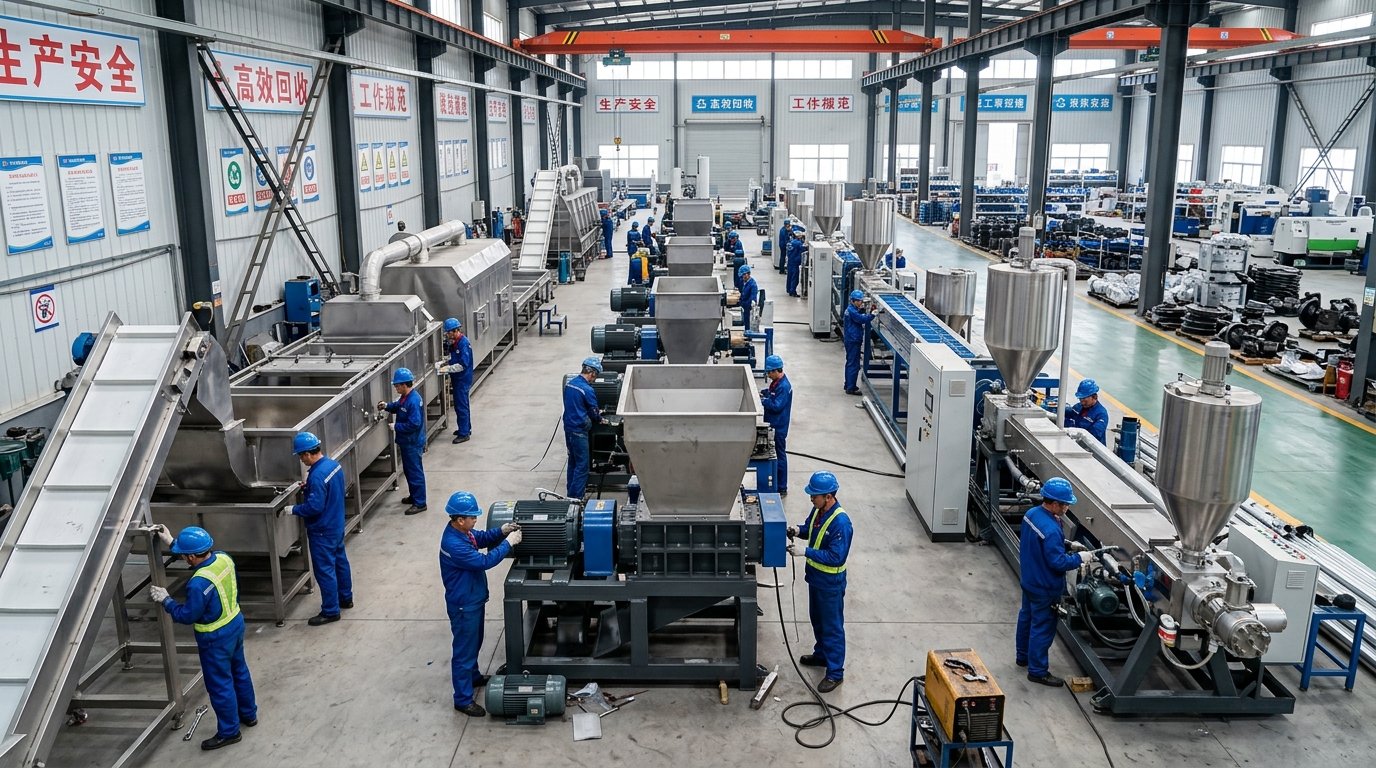
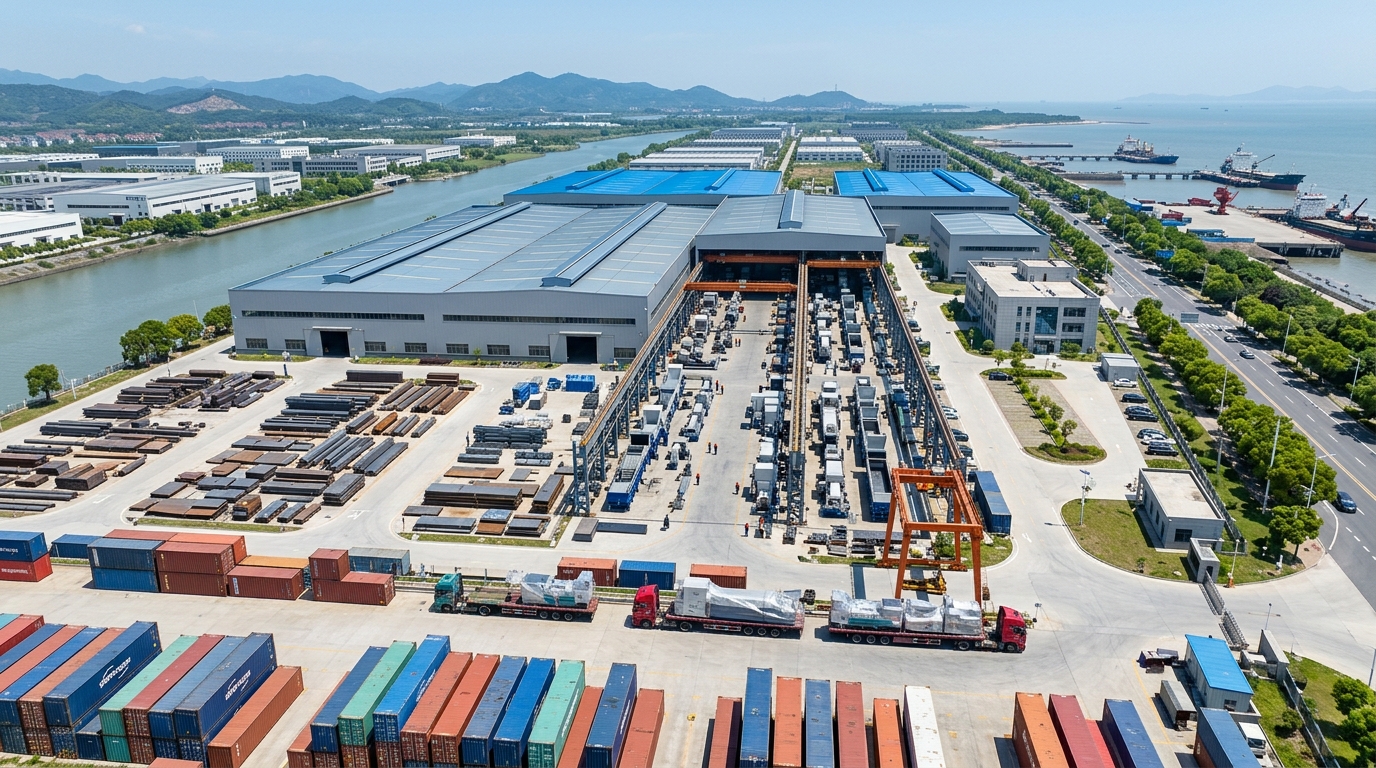
China produces over 70% of the world’s plastic recycling machinery, with more than 3,000 manufacturers concentrated across Jiangsu, Zhejiang, and Guangdong provinces alone. If you’re searching for the best macchina per il riciclaggio della plastica manufacturer in China, this ranked list breaks down the top 10 companies based on production capacity, export track record, technology innovation, and after-sales reliability — so you can shortcut months of supplier research into a single read.
La Cina produce circa 70% di macchinari per il riciclaggio della plastica nel mondo. Non si tratta di una stima approssimativa, ma di una cifra sostenuta da I dati di Statista sull'industria globale della plastica e si riflette nelle registrazioni delle esportazioni di decine di porti principali lungo la costa orientale della Cina. La pura e semplice concentrazione di fornitori di materie prime, produttori di componenti e impianti di assemblaggio nel raggio di poche centinaia di chilometri crea una densità della catena di fornitura che nessun altro Paese può eguagliare.
Il prezzo gioca un ruolo importante, ma non è tutto. Una linea di lavaggio per PET paragonabile di un produttore europeo può costare 350.000 euro, mentre un sistema costruito in Cina con una capacità produttiva simile si aggira tra $80.000 e $150.000, a volte con installazione inclusa. Il divario non riguarda solo la manodopera più economica. I produttori cinesi beneficiano di un approvvigionamento di acciaio localizzato, di una produzione standardizzata di motori e riduttori e di decenni di ingegneria iterativa che hanno ridotto gli sprechi dal processo di costruzione stesso.
Gli investimenti in R&S hanno subito una forte accelerazione. I sussidi governativi legati agli obiettivi di protezione ambientale hanno spinto molte fabbriche a passare da semplici impianti di frantumazione ed estrusione a linee di riciclaggio intelligenti completamente integrate con automazione PLC, monitoraggio dell'energia in tempo reale e rimozione della contaminazione in più fasi. Gli acquirenti alla ricerca del miglior produttore di macchine per il riciclaggio della plastica in Cina trovano ora opzioni che rivaleggiano con l'ingegneria tedesca e giapponese, a una frazione del costo.
È proprio per questo che gli operatori di impianti di riciclaggio del Sud-Est asiatico, dell'Africa, del Sud America e del Medio Oriente si rivolgono sempre per primi ai fornitori cinesi. Per un'analisi più approfondita della posizione delle aziende leader, consultate il nostro confronto tra i 10 migliori produttori di macchine per il riciclaggio della plastica. Nelle sezioni successive verranno classificati i principali contendenti e verrà spiegato cosa distingue un partner affidabile da uno rischioso.
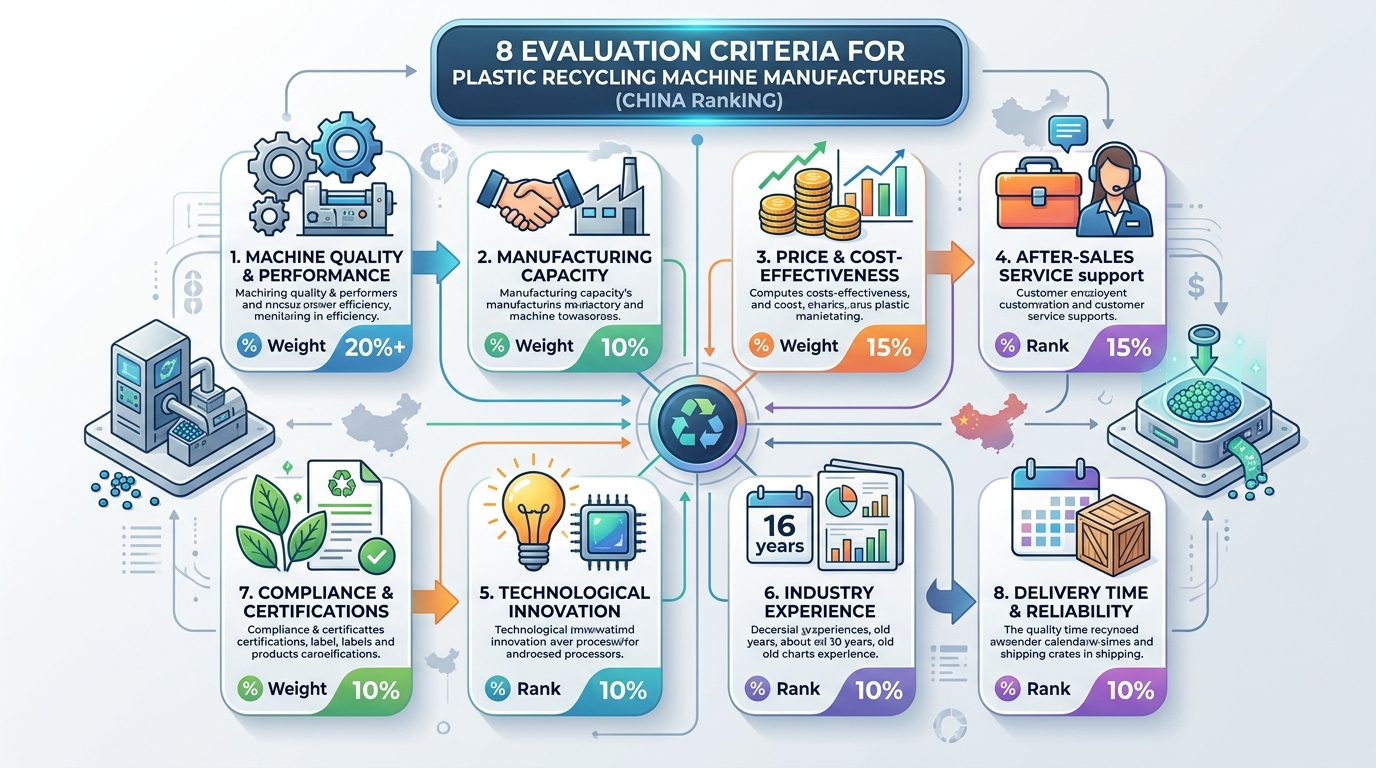
Le classifiche senza metodologia sono solo opinioni. Abbiamo valutato ogni produttore in base a otto criteri ponderati, attingendo a dati pubblicamente disponibili, osservazioni di fiere, feedback di acquirenti verificati su piattaforme come Alibaba, e schede tecniche dirette della fabbrica. Ecco come abbiamo costruito questo elenco.
Ogni criterio è stato valutato su una scala di 10 punti e poi ponderato. La tecnologia e le certificazioni hanno avuto il peso maggiore con 20% ciascuna, perché un produttore della migliore macchina per il riciclaggio della plastica in Cina deve dimostrare sia la capacità ingegneristica che la conformità. L'esperienza post-vendita e l'esperienza di esportazione hanno rappresentato 15% ciascuna. I restanti quattro criteri si sono divisi i 30% finali.
Nessun produttore ha pagato per il posizionamento. Per un confronto più ampio che utilizza metodi di valutazione simili, è possibile consultare il nostro Guida completa al confronto tra produttori. La trasparenza è importante: se il nostro punteggio dovesse cambiare nei prossimi aggiornamenti, indicheremo esattamente cosa è cambiato e perché.
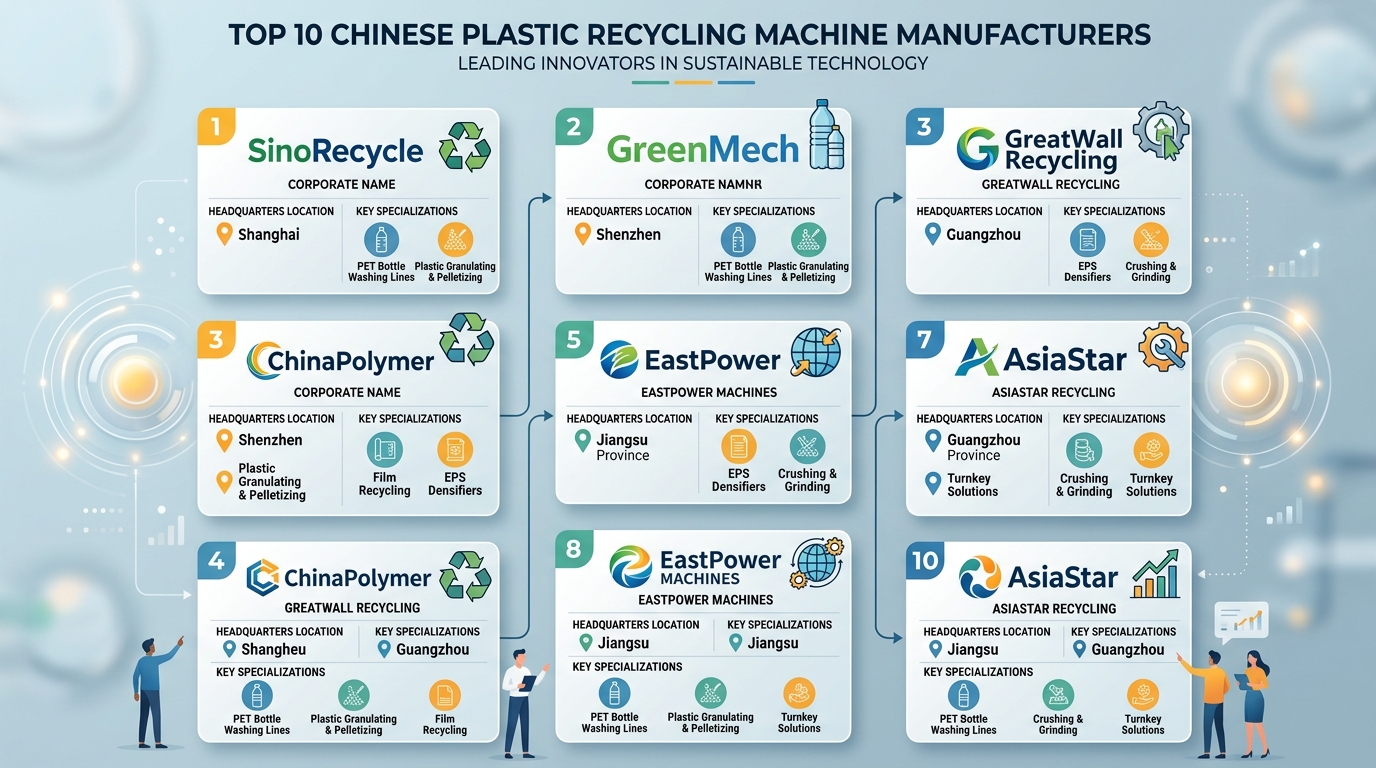
Ecco l'elenco completo della classifica, distillato dalla metodologia di assegnazione dei punteggi che abbiamo descritto sopra. Ogni produttore si è guadagnato la sua posizione in base alla gamma di prodotti, al volume delle esportazioni, alle certificazioni, all'infrastruttura post-vendita e ai feedback degli acquirenti verificati. Nella prossima sezione forniremo un profilo approfondito dell'azienda in cima alla classifica, seguito da una ripartizione dettagliata delle posizioni da #2 a #10.
JianTai Machine si è aggiudicata il posto #1 perché nessun altro produttore di macchine per il riciclaggio della plastica in Cina ha eguagliato la sua combinazione di ampiezza - che copre PET, HDPE, LDPE, PP e PLA - con una presenza documentata in oltre 60 paesi. Per un confronto tra queste aziende in base a metriche specifiche, consultate il nostro confronto dettagliato tra i produttori. Le sezioni che seguono illustrano i reali punti di forza di ciascuna azienda e i suoi onesti limiti, in modo che possiate scegliere il partner giusto per il vostro progetto.
JianTai Machine si è guadagnata il primo posto per una semplice ragione: nessun altro produttore cinese offre la stessa ampiezza di apparecchiature per il riciclaggio, supportate da una profondità ingegneristica paragonabile. Il loro catalogo di prodotti comprende linee di lavaggio di bottiglie in PET, linee di riciclaggio di film in PE/PP, sistemi di riciclaggio di HDPE e granulatori di plastica, ognuno dei quali è configurabile per soddisfare obiettivi di produzione specifici che vanno da 300 kg/h a 3.000 kg/h. Questa capacità di gamma completa significa che gli acquirenti possono rifornirsi di attrezzature per un intero impianto da un unico fornitore, eliminando i problemi di compatibilità che affliggono le configurazioni con più fornitori.
Ciò che distingue JianTai da decine di altre fabbriche è la personalizzazione che va oltre la sostituzione di una dimensione del motore. Il team di ingegneri progetta i layout in base alle materie prime del cliente: i fiocchi di PET post-consumo sporchi richiedono una sequenza di lavaggio molto diversa rispetto ai film agricoli contaminati da sabbia e umidità. Ogni progetto riceve un diagramma di flusso personalizzato prima che venga fabbricato un singolo componente. Questo livello di ingegneria pre-vendita è raro tra i migliori produttori di macchine per il riciclaggio della plastica in Cina, dove molti concorrenti si affidano a configurazioni "taglia-cuci".
Anche l'esperienza di installazione a livello globale è importante. JianTai ha spedito linee complete chiavi in mano nel Sud-Est asiatico, in Africa, in Medio Oriente e in Sud America, con messa in servizio in loco e formazione degli operatori inclusi nel contratto. Dopo l'installazione, il team post-vendita fornisce una diagnostica a distanza e tiene a magazzino i pezzi di ricambio critici per una rapida spedizione. Per un confronto più approfondito su come JianTai si posiziona rispetto ad altri fornitori leader, vedere questo articolo ripartizione dei principali fornitori di attrezzature industriali per il riciclaggio della plastica. Secondo i dati pubblicati da Ricerca Grand View, Si prevede che il mercato globale del riciclaggio della plastica raggiungerà $50,36 miliardi di euro entro il 2030 e il portafoglio di attrezzature di JianTai è in grado di catturare una quota significativa di questa crescita.
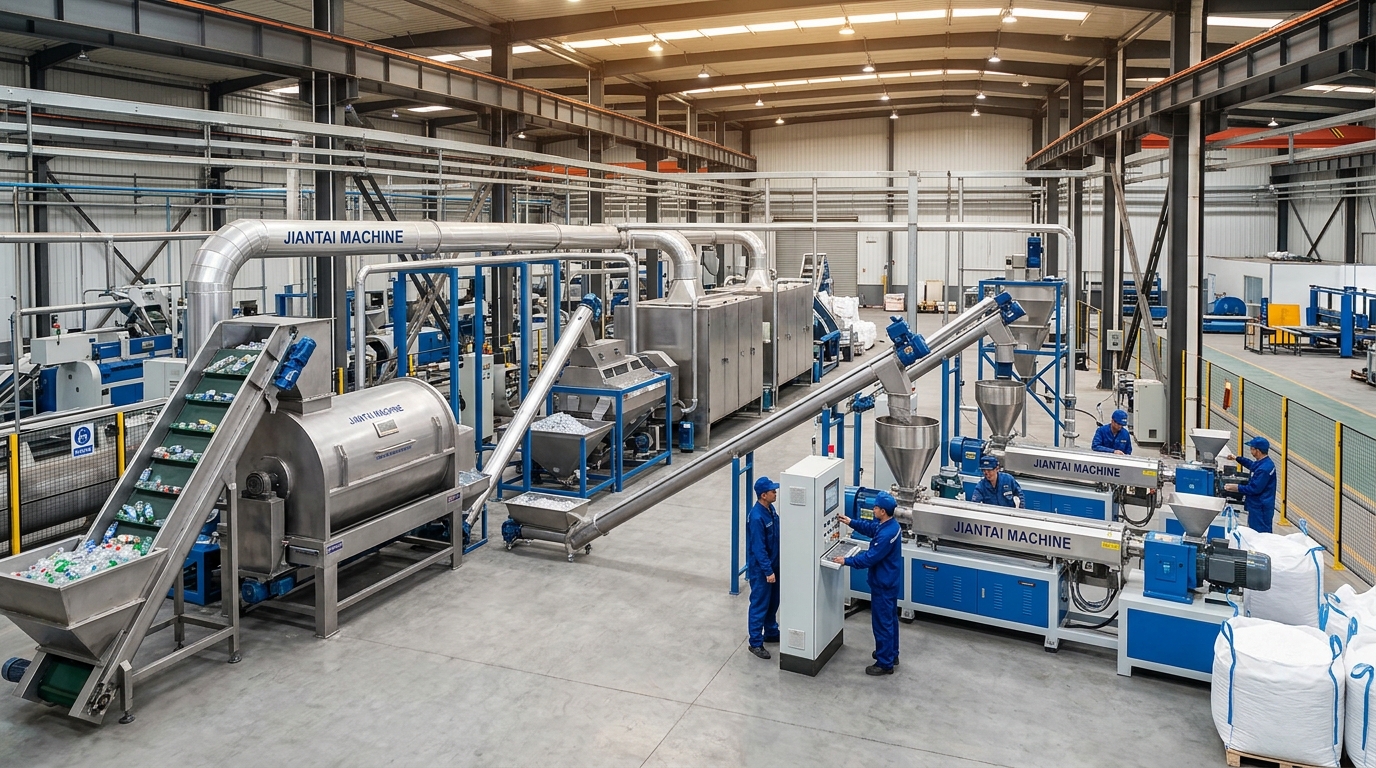
Dopo JianTai, gli altri nove posti sono occupati da produttori con punti di forza diversi. Ognuno di essi serve nicchie, budget e mercati regionali diversi, per cui la scelta del “migliore” dipende interamente dalla portata del progetto.
La scelta tra questi produttori richiede di adattare le loro specialità al vostro esatto flusso di materiali. Un'azienda che eccelle nelle bottiglie in PET non fornirà necessariamente la migliore linea di film in PE. Per un'analisi più approfondita, consultate il nostro sito confronto completo dei 10 migliori produttori di macchine per il riciclaggio della plastica. Ogni produttore di macchine per il riciclaggio della plastica presente in questo elenco si è guadagnato la posizione in classifica grazie a dati di produzione verificati, non a dichiarazioni di marketing.
Le certificazioni non sono solo scartoffie. Determinano se la vostra macchina supera la dogana, se soddisfa i codici di sicurezza locali e se è idonea a ricevere finanziamenti o assicurazioni nel vostro Paese. Se si salta questo passaggio, un container di attrezzature potrebbe rimanere fermo in porto per settimane o essere respinto del tutto.
Il marchio CE è obbligatorio per l'importazione di macchinari nell'UE ed è ampiamente riconosciuto in Africa, Sud-Est asiatico e Medio Oriente. Conferma che l'apparecchiatura soddisfa i requisiti essenziali per la salute, la sicurezza e l'ambiente ai sensi della normativa europea. Direttiva macchine 2006/42/CE dell'UE. La certificazione ISO 9001, invece, convalida il fatto che un produttore mantenga una gestione della qualità coerente tra progettazione, produzione e consegna. I migliori produttori di macchine per il riciclaggio della plastica in Cina - JianTai ne è un esempio - possiedono entrambe le certificazioni come qualifiche di base.
I rapporti di ispezione di terzi di SGS o TÜV vanno più a fondo delle autodichiarazioni della fabbrica. Verificano la sicurezza elettrica, i livelli di rumorosità e i controlli dei rischi meccanici su specifici modelli di macchine: linee di estrusione, lavatrici a frizione, pellettizzatrici. Per gli acquirenti del Nord America, la conformità UL o CSA può essere applicata anche ai componenti elettrici. Richiedete sempre il numero effettivo del rapporto di prova, non solo il logo su una brochure.
Le apparecchiature di pellettizzazione che trattano rPET per uso alimentare spesso richiedono anche la documentazione di conformità FDA o EFSA. I sistemi di lavaggio devono dimostrare gli standard di scarico delle acque reflue. Prima di scegliere un fornitore, è bene incrociare le sue certificazioni con i requisiti di importazione del vostro Paese. Come scegliere un produttore di macchinari per il riciclaggio della plastica.
Non tutte le linee di riciclaggio della plastica sono costruite allo stesso modo. Il macchinario necessario per trattare una bottiglia di PET in balle è fondamentalmente diverso da quello che gestisce un rotolo aggrovigliato di film agricolo in PE o una pila di sacchetti in PP sporchi. Scegliere il tipo di impianto sbagliato per il proprio materiale è uno degli errori più costosi che un acquirente possa commettere.
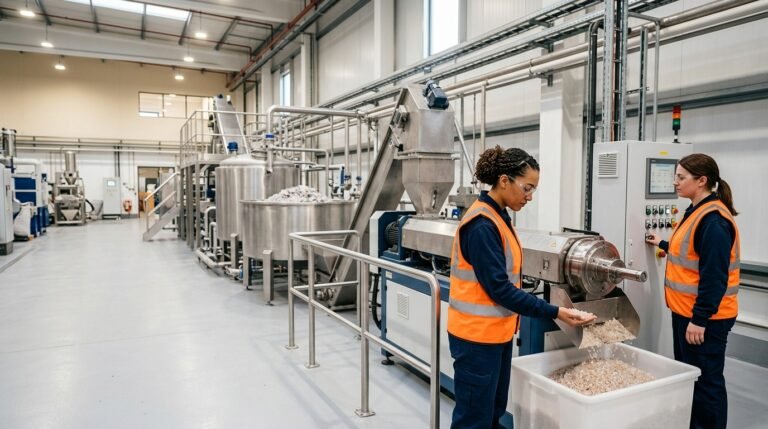
Il riciclaggio di bottiglie in PET richiede una produzione di elevata purezza, in genere 99%+, perché il prodotto finale viene spesso riutilizzato per imballaggi alimentari. Queste linee si affidano a vasche di lavaggio caustico a caldo (85-95°C), a separatori di etichette e a vasche a più stadi con lavello galleggiante per rimuovere i tappi in PP e i contaminanti in PVC. Un produttore di macchine per il riciclaggio della plastica come JianTai Machine costruisce linee per PET in grado di trattare 500-3.000 kg/h con un'umidità finale del fiocco inferiore a 1%.
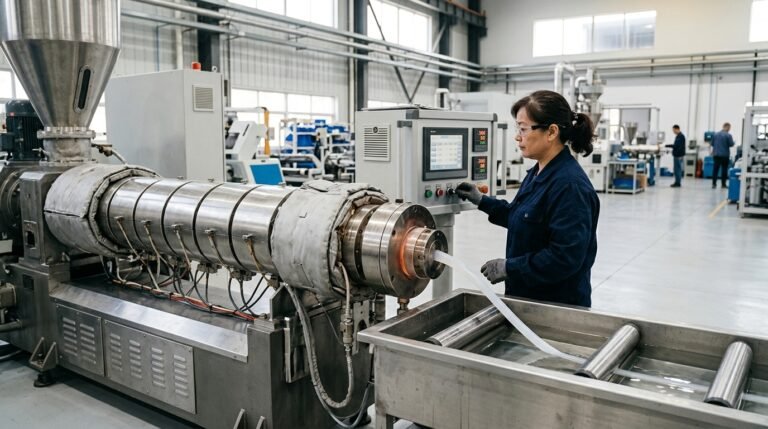
La pellicola è un incubo da gestire meccanicamente. Si avvolge intorno agli alberi, galleggia nelle vasche di lavaggio e trasporta 30-50% di umidità dopo la spremitura. Le linee di film efficaci necessitano di trituratori specializzati con frese anti-avvolgimento, lavatrici ad alta velocità e potenti essiccatori a spremitura che riducono l'umidità a meno di 5% prima della pellettizzazione. La sezione estrusore utilizza in genere un sistema di degasaggio a doppio stadio per rimuovere il vapore acqueo residuo e i contaminanti volatili. Per uno sguardo più approfondito sulle apparecchiature per la lavorazione dei film, consultate il nostro sito confronto tra i migliori estrusori di film plastici per capacità.
I sacchi in tessuto PP, utilizzati per cemento, fertilizzanti e cereali, arrivano fortemente contaminati da polvere, residui organici e talvolta da strati di inchiostro stampato. La loro lavorazione richiede un prelavaggio aggressivo, granulatori pesanti in grado di gestire il tessuto senza incepparsi e un risciacquo in più fasi. I pellet in uscita sono generalmente destinati ad applicazioni di stampaggio a iniezione piuttosto che all'estrusione di film, per cui le tolleranze di purezza sono leggermente più indulgenti rispetto al PET, ma richiedono comunque un controllo costante dell'MFI (indice di flusso di fusione).
| Caratteristica | Linea di bottiglie in PET | Linea di film PE/PP | Linea di sacchetti tessuti in PP |
|---|---|---|---|
| Sfida chiave | Rimozione dei contaminanti per una purezza di livello alimentare | Controllo dell'umidità e antiavvolgimento | Rimozione di sporco e inchiostro pesante |
| Uscita tipica | Fiocchi puliti (lavati a caldo) | Pellet (rigranulato) | Pellet (rigranulato) |
| Temperatura di lavaggio | 85-95°C (caustico caldo) | Da ambiente a 40°C | 40-60°C |
| Gamma di capacità | 500-3.000 kg/ora | 300-1.500 kg/ora | 300-1.000 kg/ora |
Alcuni produttori eccellono in un flusso ma faticano in altri. Secondo l'Associazione dei riciclatori di plastica, L'adattamento del design dell'apparecchiatura a tipi di resina e profili di contaminazione specifici è il fattore principale per raggiungere i tassi di rendimento previsti. Prima di contattare qualsiasi fornitore, è necessario conoscere la composizione della materia prima - il tipo di resina, il livello di contaminazione, la densità delle balle e la forma di produzione desiderata - perché questi dati determinano quale produttore sia effettivamente adatto al vostro progetto.
Non trasferite denaro sulla base di un catalogo in PDF. Prima di impegnarsi con qualsiasi fornitore, anche se riconosciuto come il miglior produttore di macchine per il riciclaggio della plastica in Cina, eseguite un processo di due diligence strutturato che protegga il vostro investimento e la vostra tempistica.
Richiedete una visita video dal vivo se non potete visitarla di persona. Chiedete all'operatore della telecamera di mostrare il piano di assemblaggio, le stazioni di controllo qualità e lo stoccaggio delle materie prime, non solo lo showroom. Una fabbrica che produce più di 15 linee complete al mese avrà un inventario visibile dei lavori in corso, delle maschere di saldatura e dei banchi di prova. Se tutto sembra immacolato e vuoto, si tratta di un'azienda commerciale, non di un produttore.
Chiedete 3-5 clienti di riferimento nella vostra regione o che lavorano lo stesso tipo di resina. Chiamateli direttamente. Fornitori affidabili come quelli presenti nella nostra guida al confronto tra produttori condividerà senza esitazione i contatti con i clienti. Per ordini superiori a $80.000, richiedete una prova a pagamento presso la fabbrica utilizzando la vostra effettiva materia prima: questo rivela la reale produttività, la purezza dei fiocchi e il consumo energetico molto meglio delle schede tecniche.
Prima di firmare, procurarsi i disegni GA con le dimensioni, le specifiche del motore e i tipi di materiale per le parti soggette a usura. Confrontare lo spessore dell'acciaio indicato con Norme ISO per la vostra applicazione. Per quanto riguarda il pagamento, una tipica struttura sicura è 30% T/T di deposito, 60% prima della spedizione dopo l'ispezione e 10% dopo la messa in servizio. Qualsiasi fornitore che richieda 100% in anticipo è un segnale di allarme: allontanatevi.
La qualità di una macchina è pari a quella dell'assistenza che la sostiene. Acquistare una linea di riciclaggio della plastica dalla Cina significa spedire l'apparecchiatura a migliaia di chilometri di distanza e quando qualcosa va storto durante la messa in funzione o a sei mesi dall'inizio della produzione, i tempi di risposta contano più del prezzo originale. La qualità del servizio post-vendita separa le opzioni del miglior produttore di macchine per il riciclaggio della plastica in Cina dai venditori che spariscono dopo che il pagamento è stato cancellato.
I fornitori di alto livello sono in grado di offrire tecnici di installazione all'estero che si recano presso la vostra sede, in genere entro 2-4 settimane dall'arrivo dell'apparecchiatura. La messa in funzione deve comprendere test completi con la vostra materia prima reale, non solo una prova a vuoto. L'addestramento degli operatori - di solito 5-10 giorni in loco - riguarda la manutenzione quotidiana, la regolazione dei parametri e la risoluzione dei guasti più comuni. JianTai Machine, ad esempio, fornisce una formazione pratica e una documentazione video che gli operatori possono consultare in seguito, riducendo drasticamente i tempi di inattività nei primi mesi di produzione.
La disponibilità dei pezzi di ricambio è un altro fattore determinante. Chiedete se il produttore ha in magazzino componenti soggetti a usura come le maglie del vaglio, le lame e i rivestimenti dei barili per la spedizione immediata. I migliori fornitori hanno magazzini all'estero o collaborano con distributori regionali, in modo da non dover aspettare 45 giorni per una vite di ricambio. L'assistenza tecnica remota tramite videochiamata, disponibile nel vostro fuso orario, dovrebbe essere standard, non un supplemento. Secondo Linee guida dell'UNIDO sul trasferimento tecnologico, un'efficace struttura post-vendita è essenziale per il successo delle importazioni di macchinari nelle economie in via di sviluppo.
I termini di garanzia variano in genere da 12 a 18 mesi per i componenti meccanici, anche se le parti elettriche e i materiali di consumo hanno spesso una copertura più breve. Fate scrivere questi termini nel contratto in inglese: le promesse verbali non hanno alcun peso. Per un confronto più approfondito su come i principali fornitori strutturano il loro servizio globale, consultate i migliori fornitori di attrezzature industriali per il riciclaggio della plastica.
Le truffe in questo settore non sono rare. Sono prevedibili. Ogni anno gli acquirenti perdono decine di migliaia di dollari a causa di fornitori fraudolenti o ingannevoli e la maggior parte di queste situazioni presenta gli stessi segnali di allarme. Sapere a cosa prestare attenzione può salvarvi da un errore d'acquisto catastrofico.
Questa è la trappola più comune. Un'azienda presenta una bella vetrina su Alibaba con decine di elenchi di macchine, ma in realtà non costruisce nulla: è un intermediario che si rifornisce da piccole officine non verificate. Chiedete un tour della fabbrica tramite video in diretta. Se si sottraggono alla richiesta o vi mostrano una “struttura partner”, andatevene. Un vero produttore di macchine per il riciclaggio della plastica non esiterà a mostrare in tempo reale i propri impianti di produzione, le stazioni di saldatura e il reparto QC.
Una linea completa di lavaggio di bottiglie in PET di un fornitore affidabile parte in genere da $45.000-$80.000 a seconda della capacità. Se qualcuno vi offre $18.000 per le stesse specifiche, i conti non tornano. I prezzi bassi di solito significano acciaio più sottile, cuscinetti contraffatti, nessuna garanzia del marchio PLC o componenti mancanti che vengono “aggiunti” successivamente come extra. Il Amministrazione del commercio internazionale degli Stati Uniti ha documentato diffusi problemi di proprietà intellettuale e di qualità nelle esportazioni manifatturiere cinesi - la due diligence non è negoziabile.
Prima di effettuare un deposito, consultate la nostra guida dettagliata su Come scegliere un produttore di macchinari per il riciclaggio della plastica per creare una lista di controllo strutturata per la verifica. Fidatevi dei modelli, non delle promesse.
La maggior parte delle linee di riciclaggio standard viene spedita entro 45-90 giorni dalla conferma del deposito. Le configurazioni personalizzate, come quelle più pesanti, i trituratori specializzati o i sistemi di lavaggio a più stadi, possono arrivare a 120 giorni. Durante le stagioni di punta degli ordini (marzo-giugno), aggiungete altre 2-3 settimane. Confermate sempre le tempistiche di produzione nel contratto, non solo su WeChat.
Le linee di lavaggio di bottiglie in PET di base partono da $10.000-$50.000, a seconda della capacità e del livello di automazione. Una linea di riciclaggio completa di film di PE con pellettizzazione è in genere di $40.000-$150.000. I sistemi ad alta produttività che superano i 1.000 kg/h possono raggiungere $200.000+. Il miglior produttore di macchine per il riciclaggio della plastica in Cina fornirà preventivi dettagliati piuttosto che una singola cifra forfettaria, in modo da poter vedere esattamente dove va a finire il vostro denaro.
Le macchine vengono solitamente spedite FOB da Ningbo o Shanghai. Il trasporto marittimo verso il Sud-Est asiatico costa circa $2.000-$5.000 per container; per l'Europa o l'Africa, si prevedono $4.000-$8.000. I dazi all'importazione variano enormemente: il Amministrazione del commercio internazionale degli Stati Uniti fornisce strumenti di ricerca dei codici HS per stimare le tariffe del proprio Paese. Prevedere 5-15% del valore dell'apparecchiatura per i dazi e le spese di sdoganamento.
Quelli di alto livello lo fanno. Produttori come JianTai Machine utilizzano PLC Siemens, cuscinetti SKF e componenti elettrici Schneider, gli stessi marchi presenti nelle apparecchiature di produzione tedesca. Il divario si è ridotto drasticamente. Le macchine europee sono ancora in vantaggio per quanto riguarda le tolleranze ultraprecise per le applicazioni di nicchia, ma per le operazioni di riciclaggio standard, i migliori produttori cinesi offrono una qualità di produzione comparabile a costi inferiori di 30-50%. Per un confronto più approfondito tra i principali fornitori, consultate il nostro sito Guida completa al confronto tra produttori.
La maggior parte dei produttori affidabili vende singole linee complete senza MOQ. Alcuni fornitori di componenti richiedono ordini in blocco per i pezzi di ricambio (ad esempio, più di 50 lame o schermi), ma gli acquisti di macchine complete sono in genere minimi di un'unità.
Il tipo di materia prima, l'obiettivo di produzione e il budget a disposizione definiscono il produttore più adatto. Una linea di lavaggio di bottiglie in PET richiede una progettazione diversa rispetto a un impianto di pellettizzazione di film di PE, e l'abbinamento sbagliato fa perdere mesi e capitali. I criteri di classificazione e di acquisto che abbiamo esposto in questa guida servono a comprimere questa decisione in qualcosa di gestibile.
I fattori più importanti sono tre. In primo luogo, verificare che il produttore abbia documentato installazioni che trattano il vostro specifico tipo di resina alla vostra capacità target, e non solo installazioni simili. In secondo luogo, confermate l'infrastruttura post-vendita: messa in servizio in loco, diagnostica a distanza e consegna dei pezzi di ricambio entro 72 ore nella vostra regione. In terzo luogo, verificate le certificazioni rispetto agli standard applicati dal vostro paese di importazione. Se saltate uno qualsiasi di questi punti, state giocando d'azzardo.
JianTai Machine si è classificata al primo posto perché soddisfa tutti e tre i requisiti con la più ampia gamma di tipi di plastica, dall'HDPE al PLA, con soluzioni complete con prezzi compresi tra $10.100 e $50.000 a seconda della configurazione. Questa ampiezza è rara tra i migliori produttori cinesi di macchine per il riciclaggio della plastica. Se state ancora confrontando le opzioni, la nostra ripartizione dettagliata su I migliori produttori di macchine per il riciclaggio della plastica e come sceglierne una Il sito web di questo sito illustra il processo di selezione passo dopo passo.
Il Programma delle Nazioni Unite per l'ambiente prevede che i rifiuti di plastica a livello mondiale saranno quasi triplicati entro il 2060: la finestra di mercato per le operazioni di riciclaggio è aperta. Non lasciate che la paralisi dell'analisi blocchi il vostro progetto. Contattate direttamente JianTai Machine, descrivete i vostri obiettivi in termini di materie prime e volumi e richiedete un preventivo personalizzato. Prima la vostra linea sarà in funzione, prima si ripagherà da sola.